Acis and Galatea
Acis and Galatea è un’opera in english di George Frideric Handel, rappresentata per la prima volta nel 1718.
1718 1718-01-01
Baroque
Acis and Galatea is a musical work by George Frideric Handel with an English text by John Gay. The work has been variously described as a serenata, a masque, a pastoral or pastoral opera, a "little opera", an entertainment and by the New Grove Dictionary of Music as an oratorio. The work was originally devised as a one-act masque which premiered in 1718.
John Gay
Alexander Pope
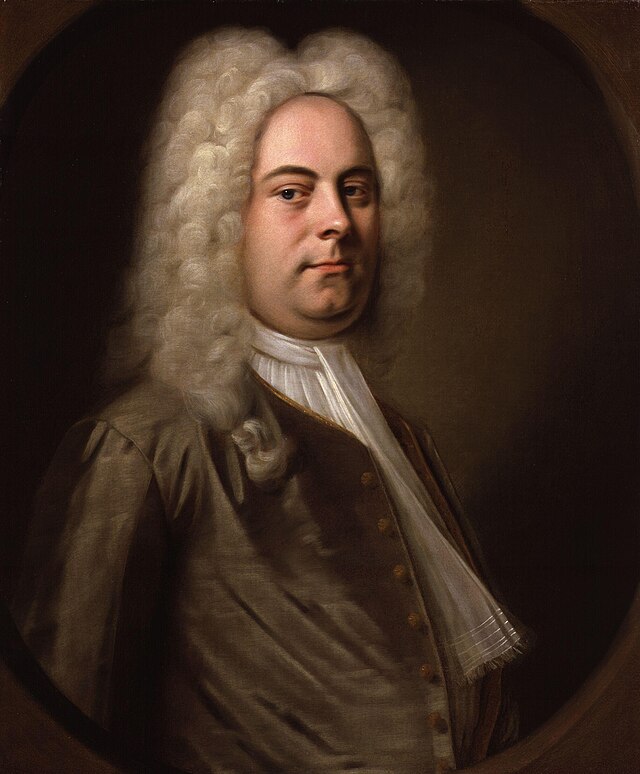
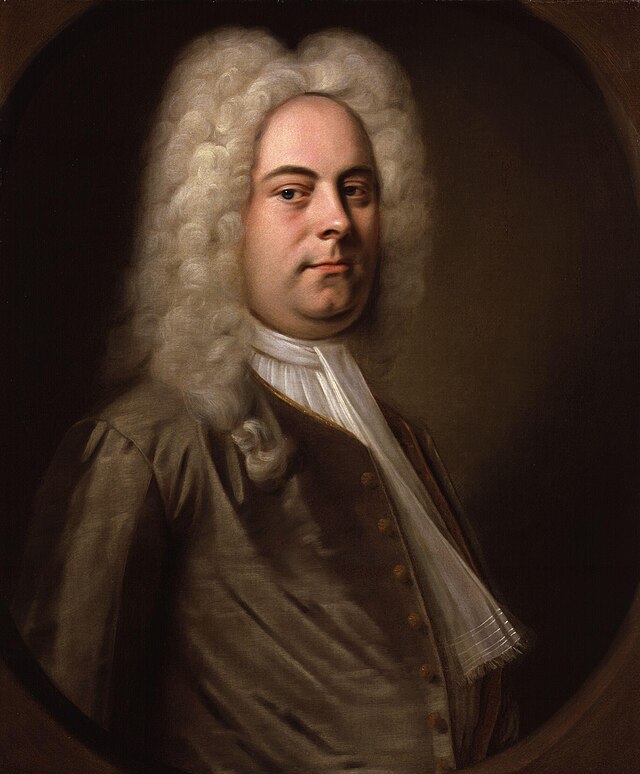
George Frideric Handel (1685–1759) — compositore german-british, periodo Baroque. Prima rappresentazione di Acis and Galatea nel 1718.
Trama di Acis and Galatea
Since Acis and Galatea has been adapted many times, it is impossible to provide a single synopsis that accurately reflects every presentation of the work. The following is a synopsis for the typical two-act presentation of the work that is most often used for modern performances. Shepherds and nymphs enjoy "the pleasure of the plains". Galatea, a semi-divine nymph, is in love with the shepherd Acis, and tries to hush the birds that ignite her passion for him (Recit."Ye verdant plains" & Aria "Hush, ye pretty warbling quire!") Acis's close friend, the shepherd Damon, provides counsel to the lovers as they pursue each other. Acis sings a beautiful siciliana-style serenade, "Love in her eyes sits playing", upon their first meeting. The act closes with a duet by the young lovers, "Happy we", which is echoed by a chorus (not in the Cannons original). The opera shifts from its pastoral and sensual mood into an elegiac quality as the chorus warns Acis and Galatea about the arrival of a monstrous giant, Polyphemus, singing "no joy shall last". The fugal minor-key of the chorus's music along with the percussive lines in the lower instruments, indicating the heavy footsteps of the giant, provides an effective dramatic transition into the more serious nature of the second act. Polyphemus enters singing of his jealous love for Galatea, "I rage, I melt, I burn", which is in a part-comic furioso accompanied recitative. This is followed by his aria "O ruddier than the cherry" which is writt…
Estratto dalla sezione Synopsis dell’articolo Wikipedia — testo rilasciato con licenza CC BY-SA 4.0. Leggi la trama completa →
Cast e personaggi di Acis and Galatea
5 personaggi documentati da Wikidata con indicazione del registro vocale:
- personchoir
- personPolyphemus
- personGalatea
- personAcis
- personDamon
Libretto di Acis and Galatea
Il libretto è scritto da John Hughes, John Gay, Alexander Pope — in totale 3 autori di libretto.
Da Metamorphoses all’opera
Acis and Galatea è un adattamento di Metamorphoses — soggetto letterario di partenza per il libretto.
L’archivio documenta 5 altre opere derivate dallo stesso soggetto:
- Il Pigmalione — Gaetano Donizetti
- Aci, Galatea e Polifemo — George Frideric Handel
- Apollo et Hyacinthus — Wolfgang Amadeus Mozart
- Così fan tutte — Wolfgang Amadeus Mozart (1790)
- Daphne — Richard Strauss (1937)
Altre opere di George Frideric Handel
- Aci, Galatea e Polifemo
- Acis and Galatea
- Admeto
- Alessandro
- Alessandro Severo
- Almira
- Amadigi di Gaula
- Arbace
- Arianna in Creta
- Arminio
Dati sull’opera provenienti da Wikidata (CC0, pubblico dominio).