Arminio
Arminio è un’opera in italian di George Frideric Handel.
Arminio is an opera composed by George Frideric Handel. The libretto is based on a libretto of the same name by Antonio Salvi, which had been set to music by Alessandro Scarlatti. It is a fictionalisation of events surrounding the Germanic leader Arminius, who defeated the Romans under Publius Quinctilius Varus at the Battle of the Teutoburg Forest in AD 9, and his wife Thusnelda. The opera was performed for the first time at the Covent Garden Theatre on 12 January 1737.
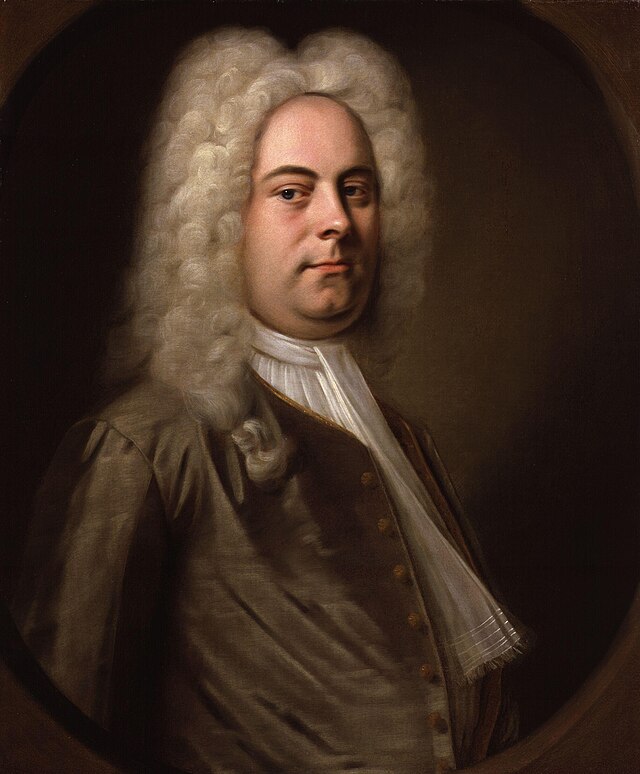
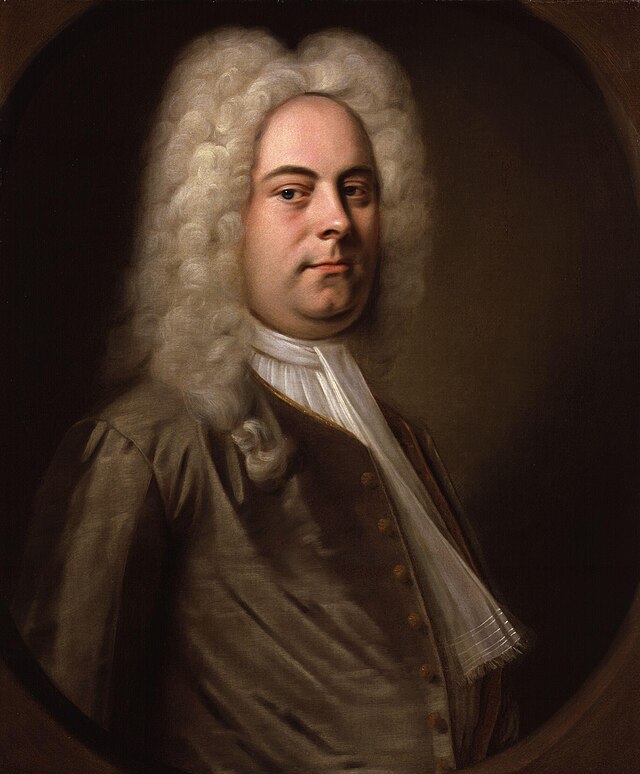
George Frideric Handel (1685–1759) — compositore german-british, periodo Baroque.
Trama di Arminio
Arminio, chieftain of a Germanic tribe who has taken up arms to fight against the Roman invasion of his country, yields to his wife Tusnelda's entreaties to retire from the field of battle lest they should both be taken prisoner. (Duet: Non è tema). They leave as Varo and Tullio enter. Tullio informs the Roman general Varo that Arminio has retreated and Varo reveals that he is in love with Arminio's wife Tusnelda. Tullio advises him to forget about such an unworthy passion and fight for Rome's triumph instead (Aria: Non deve Roman petto) but Varo responds that love can inspire great feats of glory (Aria: Al lume di due rai). Arminio appears, in chains, captured by Segeste, a Germanic chieftain who is collaborating with the Romans and is also Arminio's father-in-law. Arminio denounces Segeste for his treachery and Tusnelda is torn between loyalty to her husband and her father (Aria: Scagliano Amore). Varo demands that Arminio accept subjugation to Rome, but Arminio insists he would rather die and is taken away. Segeste advises that Arminio must be killed to ensure peace with Rome (Aria: Fiaccherò quel fiero orgoglio). The scene changes to the castle of Segeste, where Sigismondo, his son, has been dreaming of Ramise, Arminio's sister, with whom he is madly in love (Aria: Non sono sempre vane larve). She and Tusnelda appear on the scene and Tusnelda informs them that her father Segeste has handed Arminio over to the Romans. Ramise is greatly distressed by the threat to her broth…
Estratto dalla sezione Synopsis dell’articolo Wikipedia — testo rilasciato con licenza CC BY-SA 4.0. Leggi la trama completa →
Libretto di Arminio
Il libretto è scritto da Antonio Salvi.
Da Arminio all’opera
Arminio è un adattamento di Arminio — soggetto letterario di partenza per il libretto.
Altre opere di George Frideric Handel
- Aci, Galatea e Polifemo
- Acis and Galatea
- Admeto
- Alessandro
- Alessandro Severo
- Almira
- Amadigi di Gaula
- Arbace
- Arianna in Creta
- Atalanta
Dati sull’opera provenienti da Wikidata (CC0, pubblico dominio).