Admeto
Admeto è un’opera in italian di George Frideric Handel.
Admeto, re di Tessaglia is a three-act opera written for the Royal Academy of Music with music composed by George Frideric Handel to an Italian-language libretto prepared by Nicola Francesco Haym. The story is partly based on Euripides' Alcestis. The opera's first performance was at the Haymarket Theatre in London on 31 January 1727. The original cast included Faustina Bordoni as Alcestis and Francesca Cuzzoni as Antigona, as Admeto was the second of the five operas that Handel composed to feature specifically these two prime donne of the day.
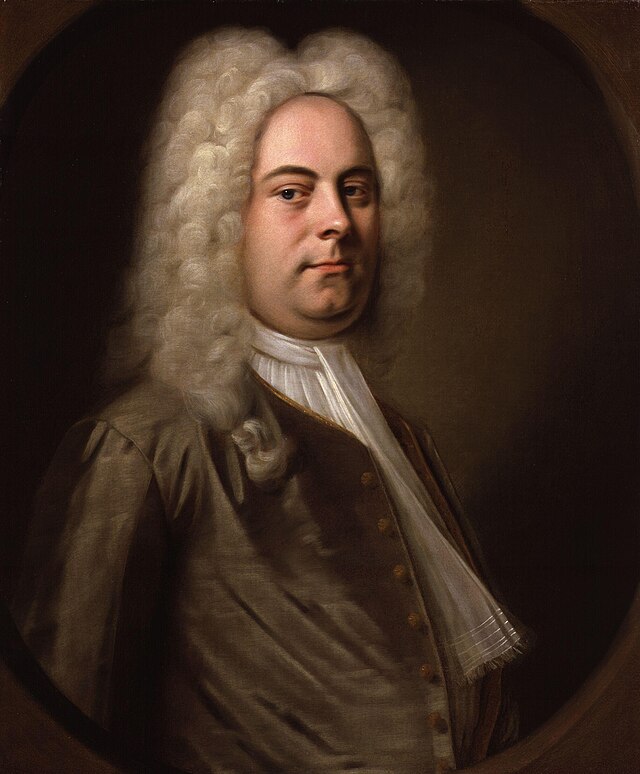
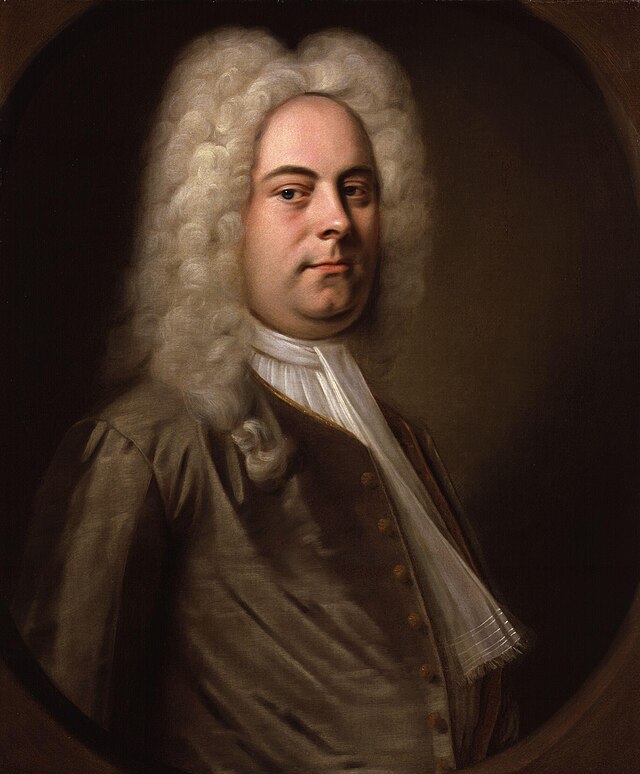
George Frideric Handel (1685–1759) — compositore german-british, periodo Baroque.
Trama di Admeto
In a room of his palace, dominated by a statue of the god Apollo, King Admetus of Thessaly lies dying, tormented by terrible dreams. He is told by a courtier, Orindo, that his brother, Trasimede, is also in a bad way, obsessed with the portrait of a woman. The hero Hercules, on his never ending mission to perform glorious deeds to increase his fame, has come to pay a visit to his friend King Admetus. As her husband the king sleeps, his wife Alceste prays to Apollo to spare his life. The statue speaks and informs her that only if a close relative dies in his place will Admetus be permitted to continue to live. Alceste resolves to sacrifice her life for her husband. Living in a nearby wood, disguised as shepherds, are Princess Antigona of Troy (which was burnt to the ground by Hercules) and her tutor Merapse. King Admetus had been betrothed to marry Antigona, but jilted her in favour of Alceste. This rejection of her is the reason, Antigona believes, why he is being punished with a mortal illness. She sends Merapse to the palace, instructing him to pretend that he is her father. In the gardens of the palace, Alceste holds a dagger, preparing to die in her husband's place as she bids farewell to her grieving ladies-in-waiting, and then retires. Admetus, rejuvenated, enters with his friend Hercules, celebrating his recovery. Lamentations are heard from within and Admetus is horrified to see his wife's dead body. Admetus knows that Hercules once descended into the underworld and b…
Estratto dalla sezione Synopsis dell’articolo Wikipedia — testo rilasciato con licenza CC BY-SA 4.0. Leggi la trama completa →
Libretto di Admeto
Il libretto è scritto da Nicola Francesco Haym.
Da Alcestis all’opera
Admeto è un adattamento di Alcestis — soggetto letterario di partenza per il libretto.
L’archivio documenta 1 altre opere derivate dallo stesso soggetto:
- Alceste — Christoph Willibald von Gluck (1767)
Altre opere di George Frideric Handel
- Aci, Galatea e Polifemo
- Acis and Galatea
- Alessandro
- Alessandro Severo
- Almira
- Amadigi di Gaula
- Arbace
- Arianna in Creta
- Arminio
- Atalanta
Dati sull’opera provenienti da Wikidata (CC0, pubblico dominio).