Amadigi di Gaula
Amadigi di Gaula è un’opera in italian di George Frideric Handel.
Amadigi di Gaula is a "magic" opera in three acts, with music by George Frideric Handel. It was the fifth Italian opera that Handel wrote for an English theatre and the second he wrote for Richard Boyle, 3rd Earl of Burlington in 1715. The opera about a damsel in distress is based on Amadis de Grèce, a French tragédie-lyrique by André Cardinal Destouches and Antoine Houdar de la Motte. Amadigi was written for a small cast, employing four high voices. Handel made prominent use of wind instruments, so the score is unusually colorful, comparable to his Water Music.
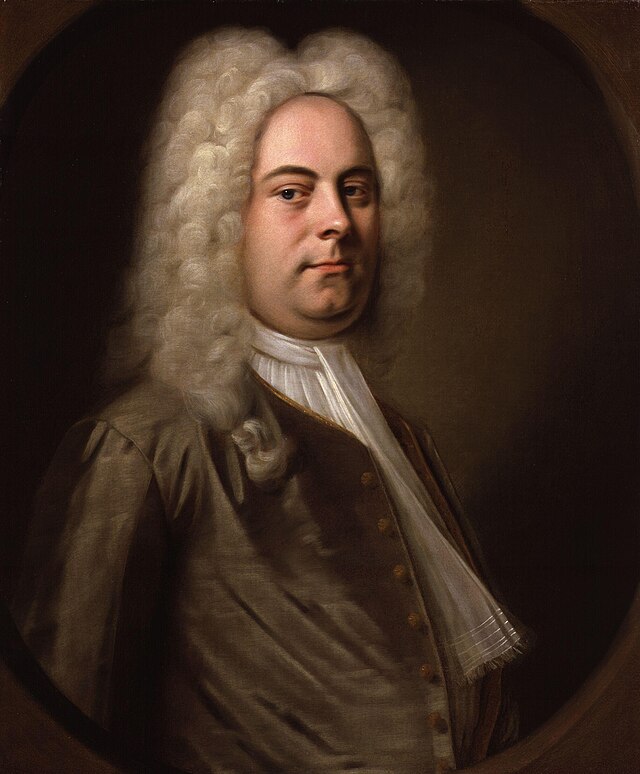
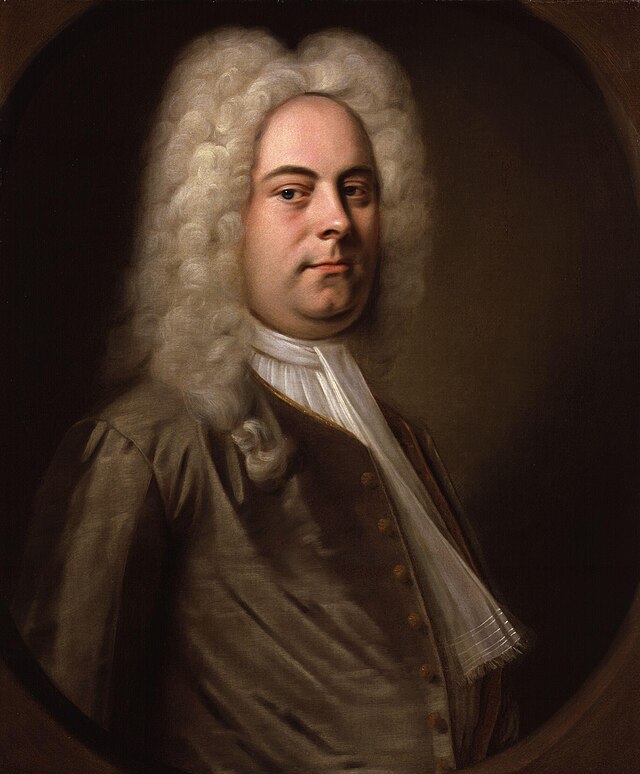
George Frideric Handel (1685–1759) — compositore german-british, periodo Baroque.
Trama di Amadigi di Gaula
Handel composed Amadigi in 1715 for Richard Boyle, 3rd Earl of Burlington, during his stay at Burlington House. The identity of the librettist is not known for certain. Previous consensus had been that John Jacob Heidegger, who signed the dedication to Richard Boyle was the author, but more recent research has indicated that the librettist was more likely to be Giacomo Rossi, with Nicola Francesco Haym as a more probable candidate. The original manuscript of Amadigi has disappeared, along with ballet sections in the music. Only one edition of the libretto is known, dating from 1715. Two published editions of the opera exist, the Händelgesellschaft edition of 1874, and the first critical edition, by J. Merrill Knapp, which Bärenreiter published in 1971. Dean has examined the history of various manuscripts which contain alternative selections for the score. Following this work, Handel composed no operas for five years. Amadigi di Gaula was premiered in London at the King's Theatre in the Haymarket on 25 May 1715. Exceptional care was lavished on the production, which was a success. The King attended several performances. The opera received a known minimum of 17 further performances in London until 1717. In act 2, Amadigi addresses the Fountain of True Love in a long cavatina of the utmost sensuous beauty. This scene was famous originally for its spectacular effects. The "coup de théâtre" was the use of a real fountain spraying real water. The scene employed a large number of st…
Estratto dalla sezione Synopsis dell’articolo Wikipedia — testo rilasciato con licenza CC BY-SA 4.0. Leggi la trama completa →
Altre opere di George Frideric Handel
- Aci, Galatea e Polifemo
- Acis and Galatea
- Admeto
- Alessandro
- Alessandro Severo
- Almira
- Arbace
- Arianna in Creta
- Arminio
- Atalanta
Dati sull’opera provenienti da Wikidata (CC0, pubblico dominio).