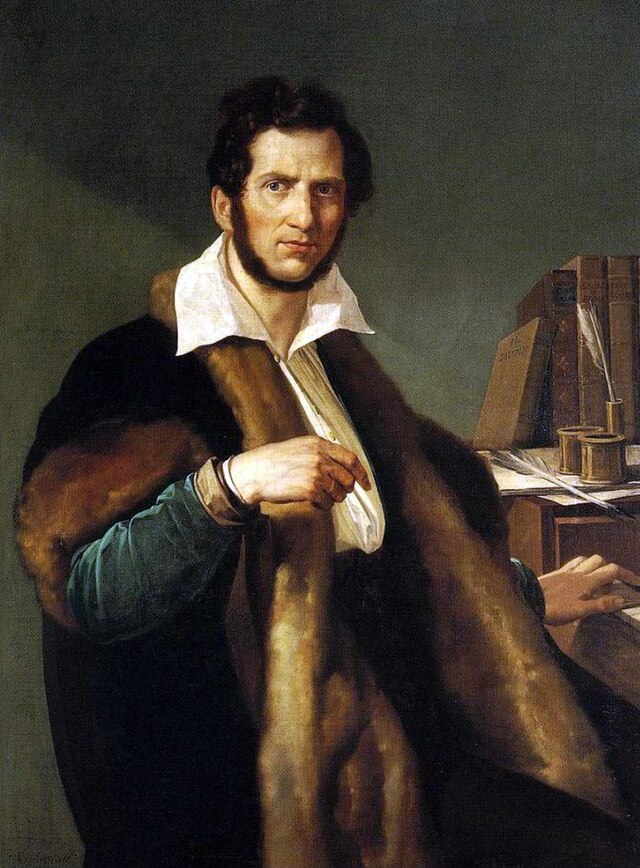
Il Pigmalione
Il Pigmalione è un’opera in italian di Gaetano Donizetti.
Il Pigmalione (Pygmalion) is a scena lirica in one act by Gaetano Donizetti. The librettist is unknown, but it is known that the libretto was based on one by Antonio Simeone Sografi for Giovanni Battista Cimador's Pimmalione (1790), in turn based on Jean-Jacques Rousseau's Pygmalion and ultimately based on Book X of Ovid's Metamorphoses. Sografi's libretto was also used for an opera by Bonifazio Asioli (1796).
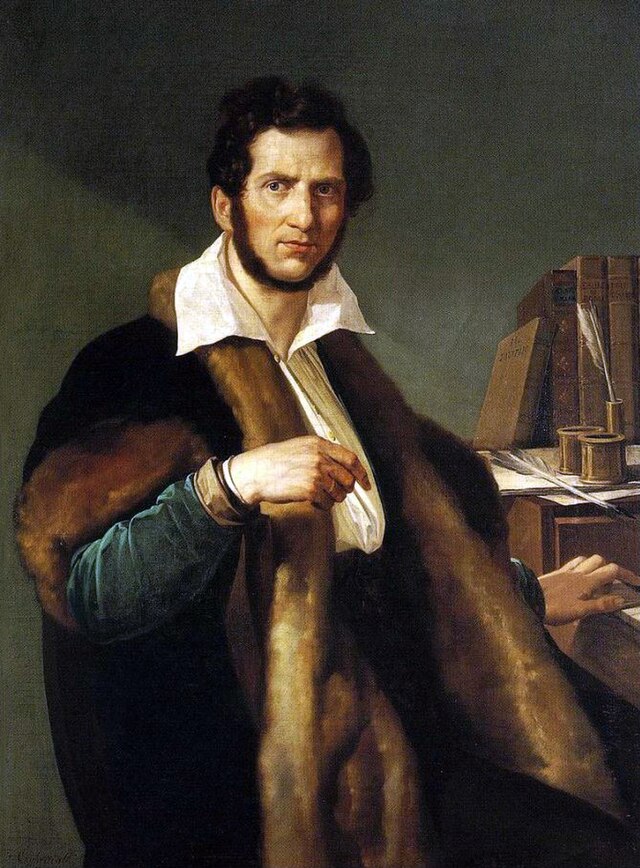
Gaetano Donizetti (1797–1848) — compositore italian, periodo Romantic.
Trama di Il Pigmalione
The story of the opera is based on the famous story of a king and sculptor, Pygmalion, originally taken from the tenth book of the Metamorphoses by Ovid. Pigmalione, dismayed that he may never find in real life the ideal of feminine beauty, creates a sculpture of it himself. Having fallen in love with his own creation, Pigmalione's prayer for the sculpture's (christened Galatea) animation is answered by Venus.
Estratto dalla sezione Synopsis dell’articolo Wikipedia — testo rilasciato con licenza CC BY-SA 4.0. Leggi la trama completa →
Da Metamorphoses all’opera
Il Pigmalione è un adattamento di Metamorphoses — soggetto letterario di partenza per il libretto.
L’archivio documenta 5 altre opere derivate dallo stesso soggetto:
- Aci, Galatea e Polifemo — George Frideric Handel
- Apollo et Hyacinthus — Wolfgang Amadeus Mozart
- Acis and Galatea — George Frideric Handel (1718)
- Così fan tutte — Wolfgang Amadeus Mozart (1790)
- Daphne — Richard Strauss (1937)
Altre opere di Gaetano Donizetti
- Alahor in Granata
- Alfredo il Grande
- Alina, regina di Golconda
- Belisario
- Betly, o sia La capanna svizzera
- Buondelmonte
- Caterina Cornaro
- Chiara e Serafina
- Dalinda
- Dom Sébastien
Dati sull’opera provenienti da Wikidata (CC0, pubblico dominio).