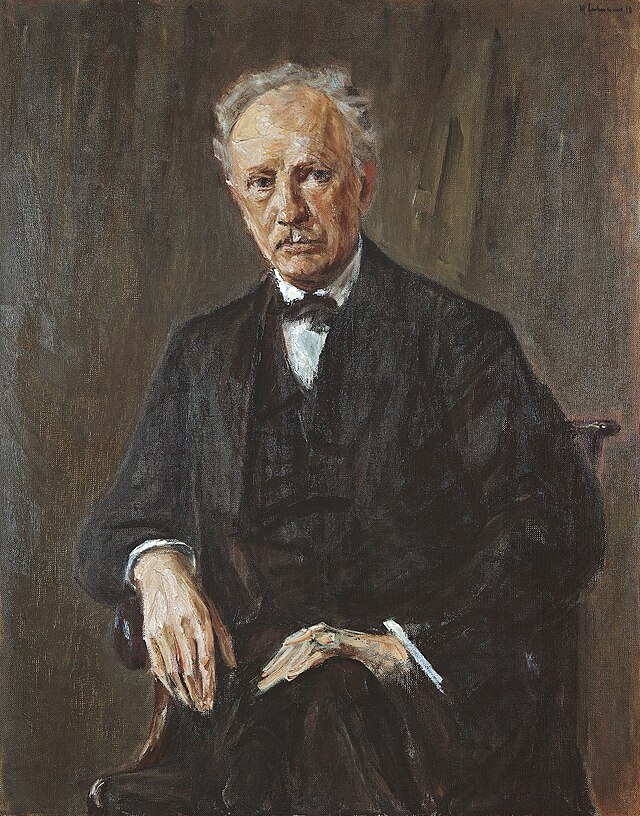
Richard Strauss
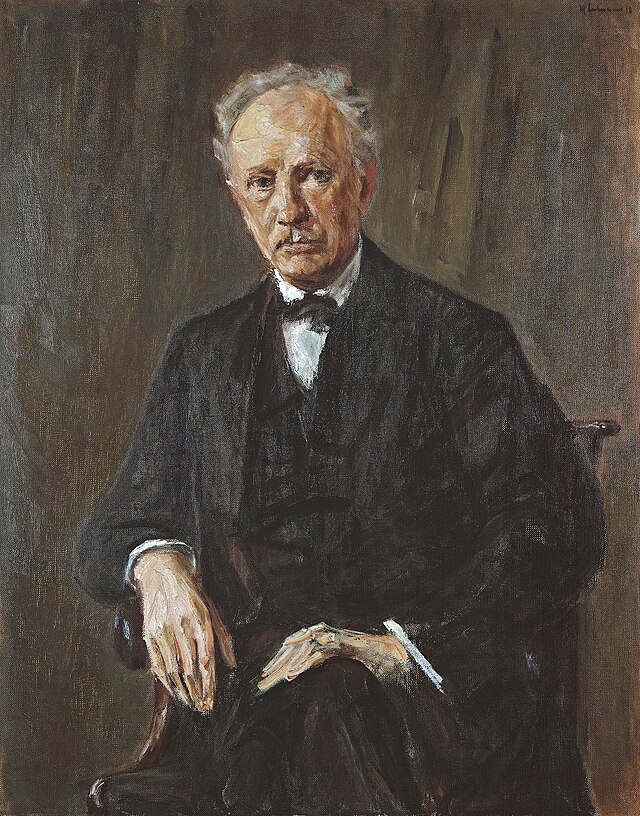
Richard Strauss (1864–1949) è un compositore german del periodo Verismo, con 16 opere e 0 arie archiviate nel database.
Ritratto tratto da Wikimedia Commons (pubblico dominio).
1864
1949
German
16
0
1910 – 1937
Munich
Garmisch-Partenkirchen
Richard Georg Strauss was a German composer and conductor known for his tone poems and operas. A leading figure of the late Romantic and early Modern era, and a successor to Richard Wagner and Franz Liszt, he combined, along with his friend Gustav Mahler, subtleties of orchestration with an advanced harmonic style.
Vita di Richard Strauss
Nazionalità e periodo
Richard Strauss è un compositore German del periodo Verismo, vissuto dal 1864 al 1949, nato a Munich e morto a Garmisch-Partenkirchen.
Vita e carriera
Strauss was born on 11 June 1864 in Munich, the son of Josephine (née Pschorr) and Franz Strauss, who was the principal horn player at the Court Opera in Munich and a professor at the Königliche Musikschule. His mother was the daughter of Georg Pschorr, a financially prosperous brewer from Munich. A child prodigy in composition, Strauss began his musical studies at the age of four, studying piano with August Tombo who was the harpist in the Munich Court Orchestra. Soon after, he began attending the rehearsals of the orchestra, and began getting lessons in music theory and orchestration from the ensemble's assistant conductor. He wrote his first composition at the age of six, and continued to write music almost until his death. In 1872, he started receiving violin instruction from Benno Walter, the director of the Munich Court Orchestra and his father's cousin, and at 11 began five years of compositional study with Friedrich Wilhelm Meyer. In 1882 he graduated from the Ludwigsgymnasium and afterwards attended only one year at the Ludwig-Maximilians-Universität München in 1882–1883. In addition to his formal teachers, Strauss was profoundly influenced musically by his father who made instrumental music-making central to the Strauss home. The Strauss family was frequently joined in their home for music making, meals, and other activities by the orphaned composer and music theorist Ludwig Thuille who was viewed as an adopted member of the family. Strauss's father taught his son t…
Estratto dalla biografia Wikipedia di Richard Strauss — testo rilasciato con licenza CC BY-SA 4.0. Leggi la biografia completa →
Contributo all’opera
Richard Strauss ha lasciato 16 opere registrate in Wikidata, con 0 arie principali descritte in pagine dedicate.
Compositori contemporanei di Richard Strauss
Altri compositori del database nati nella stessa generazione di Richard Strauss (1864) — utile per collocare l’opera in un contesto generazionale:
- Pietro Mascagni
1863–1945 · Kingdom of Italy · Verismo - Claude Debussy
1862–1918 · France · Verismo - Francesco Cilea
1866–1950 · Italy · Romantic - Umberto Giordano
1867–1948 · Italy · Verismo - Giacomo Puccini
1858–1924 · Italian · Verismo - Ruggero Leoncavallo
1857–1919 · Kingdom of Italy · Verismo
Elenco delle opere di Richard Strauss
in German · libretto di Hugo von Hofmannsthal
in German · libretto di Joseph Gregor
in German · singspiel · libretto di Hans Adler
in German · libretto di Hugo von Hofmannsthal
in German · libretto di Hugo von Hofmannsthal
in German · libretto di Joseph Gregor
in German · comic opera · libretto di Stefan Zweig
in German · tragedy · libretto di Hugo von Hofmannsthal
in German · libretto di Ernst von Wolzogen
in German · melodrama · libretto di Joseph Gregor
in German · libretto di Richard Strauss
in German · libretto di Richard Strauss
in German · opera · libretto di Hedwig Lachmann
Der Rosenkavalier
1910
in Austrian German · comic opera · libretto di Hugo von Hofmannsthal
Arabella
1933
in German · opera, commedia lirica · libretto di Hugo von Hofmannsthal
Daphne
1937
in German · libretto di Joseph Gregor
Biografia ed elenco delle opere provenienti da Wikidata (CC0, pubblico dominio).