Capriccio
Capriccio è un’opera in german di Richard Strauss.
Capriccio, Op. 85, is the final opera by German composer Richard Strauss, subtitled "A Conversation Piece for Music". It received its premiere performance at the Nationaltheater München on 28 October 1942. Strauss and Clemens Krauss wrote the German libretto, but its genesis came from Stefan Zweig in the 1930s, and Joseph Gregor further developed the idea several years later. Strauss then took it on, but finally recruited Krauss as his collaborator. Most of the final libretto is by Krauss.
Clemens Krauss
Hans Swarowsky
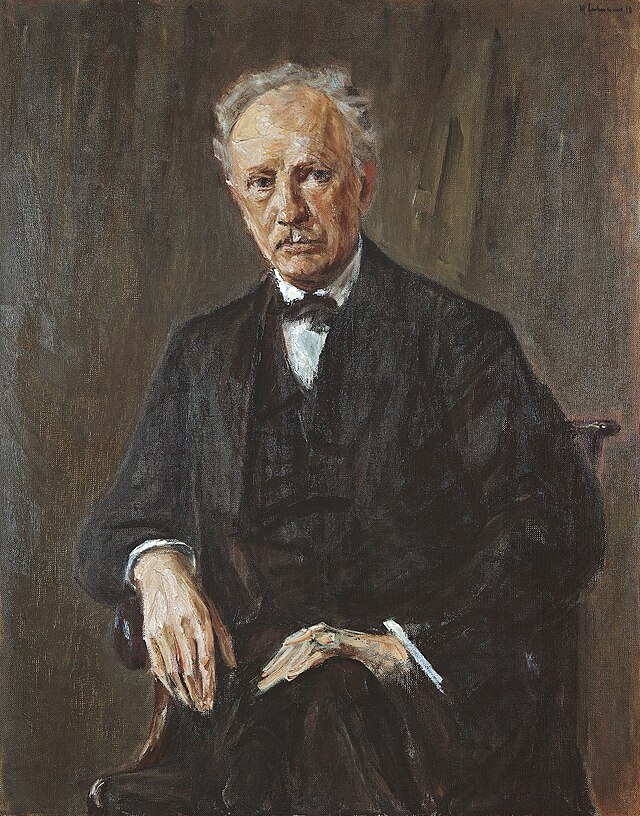
Richard Strauss
Stefan Zweig
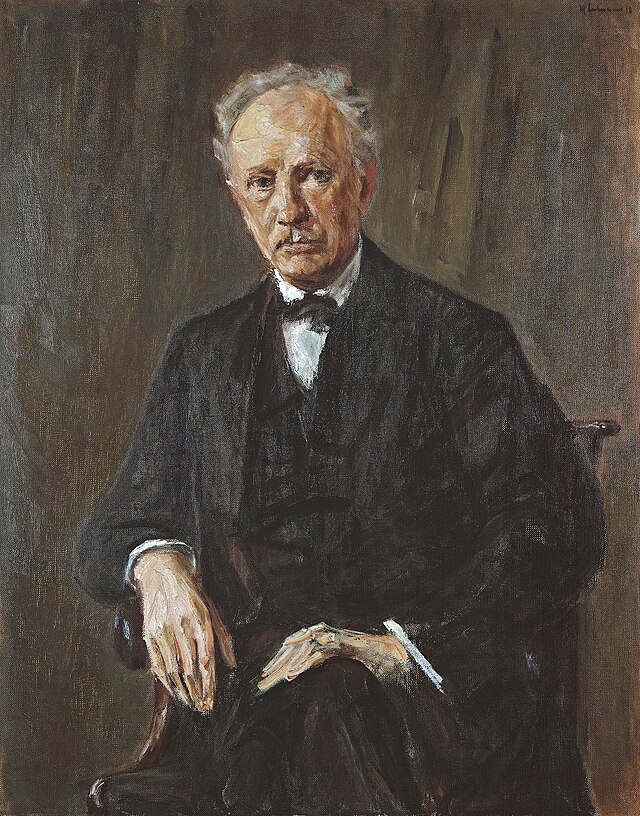
Richard Strauss (1864–1949) — compositore german, periodo Verismo.
Trama di Capriccio
The theme of the opera can be summarized as "Which is the greater art, poetry or music?" This was a topic of discussion at the time of the setting, as in a 1786 Salieri opera named for the issue, Prima la musica e poi le parole (First the Music and Then the Words). This question is dramatized in the story of a Countess torn between two suitors: Olivier, a poet, and Flamand, a composer. At the Countess Madeleine's château, a rehearsal of Flamand's newly composed sextet is in progress. (This sextet is played in concert form as a piece of chamber music, and before the curtain rises.) Olivier and Flamand debate the relative powers of words and music. They engage in a rather furious argument which is semi-spoken rather than sung in definable arias. The theatre director La Roche wakes from a nap, and reminds them both that impresarios and actors are necessary to bring their work to life. Olivier has written a new play for the Countess's birthday the next day, which La Roche will direct, with the Count and the famous actress Clairon performing. La Roche, Olivier and Flamand proceed to a rehearsal. The Count, the Countess's brother, teases his sister about her two suitors, Flamand and Olivier, and tells her that her love of music is due in part to the attention Flamand pays her. She in turn tells her brother that his love of words is in keeping with his attraction to the actress Clairon. The Countess admits that she cannot decide which of her suitors she prefers. Clairon arrives, and…
Estratto dalla sezione Synopsis dell’articolo Wikipedia — testo rilasciato con licenza CC BY-SA 4.0. Leggi la trama completa →
Cast e personaggi di Capriccio
9 personaggi documentati da Wikidata con indicazione del registro vocale:
- personLa Roche (bass)
- personThe Major-Domo (bass)
- personFlamand (tenor)
- personMonsieur Taupe (tenor)
- personItalian singer (soprano)
- personThe Countess (soprano)
- personThe Count (baritone)
- personOlivier (baritone)
- personClairon (contralto)
Libretto di Capriccio
Il libretto è scritto da Joseph Gregor, Clemens Krauss, Hans Swarowsky, Richard Strauss, Stefan Zweig — in totale 5 autori di libretto.
Da Prima la musica e poi le parole all’opera
Capriccio è un adattamento di Prima la musica e poi le parole — soggetto letterario di partenza per il libretto.
Altre opere di Richard Strauss
- Ariadne auf Naxos
- Des Esels Schatten
- Die ägyptische Helena
- Die Frau ohne Schatten
- Die Liebe der Danae
- Die schweigsame Frau
- Elektra
- Feuersnot
- Friedenstag
- Guntram
Dati sull’opera provenienti da Wikidata (CC0, pubblico dominio).