Orlando
Orlando è un’opera in italian di George Frideric Handel, rappresentata per la prima volta nel 1732.
1732 1732-01-01
Baroque
Orlando is an opera seria in three acts by George Frideric Handel written for the King's Theatre in London in 1733. The Italian libretto was adapted from Carlo Sigismondo Capece's L'Orlando after Ludovico Ariosto's Orlando Furioso, which was also the source of Handel's operas Alcina and Ariodante. More an artistic than a popular success at its first performances, Orlando is today recognised as a masterpiece.
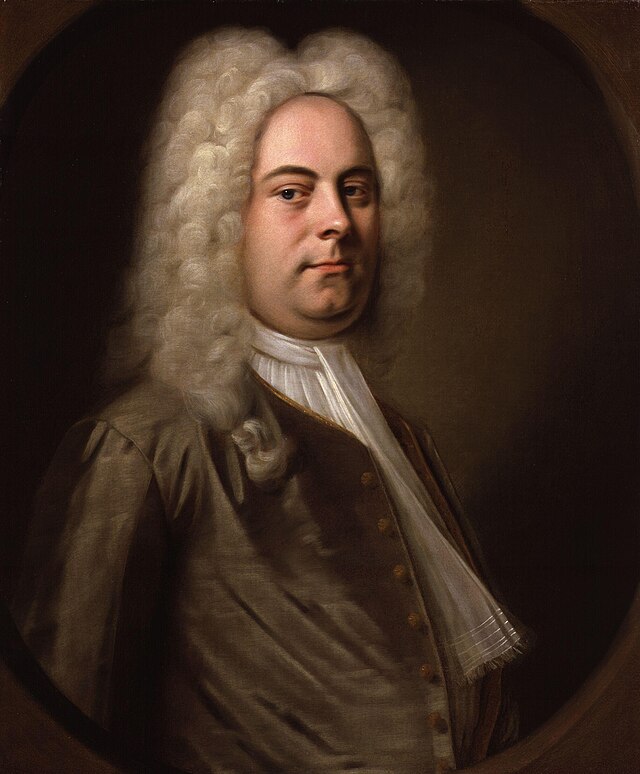
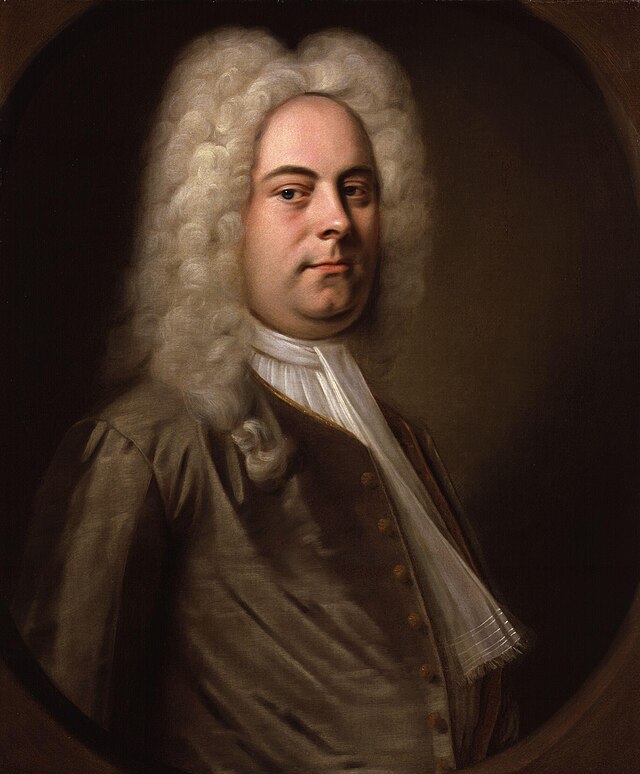
George Frideric Handel (1685–1759) — compositore german-british, periodo Baroque. Prima rappresentazione di Orlando nel 1732.
Trama di Orlando
Orlando (Roland), a great soldier in Charlemagne's army, falls desperately in love with the pagan princess Angelica, who is in turn in love with another man, Medoro. Orlando cannot accept this and he is driven to madness, prevented from causing absolute carnage only by the magician Zoroastro (who eventually restores his sanity). On the summit of a mountain, at night – The wizard Zoroastro scans the heavens and sees signs in the stars that the warrior Orlando will once more turn to deeds of valour and recover from his passion for the princess of Cathay, Angelica. Orlando himself appears, torn between love and duty. With a wave of his wand, the magician conjures up disturbing visions of the great heroes of antiquity asleep at Cupid's feet. Zoroastro urges Orlando to forget Venus, the goddess of love, and once more follow Mars, god of war.(Aria: Lascia Amor). Orlando is at first shamed by Zoroastro's words but then decides love and duty do not necessarily conflict, reflecting that Hercules was not robbed of his status as a hero by his affair with Queen Omphale, or Achilles by disguising himself for a time as a woman (Aria: Non fu già men forte Alcide). In a grove with shepherds' huts – The shepherdess Dorinda reflects on the beauties of nature, which however do not fill her with tranquility as they used to, which she feels may be a sign that she is falling in love. Orlando rushes across the scene with a princess, Isabella, that he has just rescued from danger, and Dorinda thinks…
Estratto dalla sezione Synopsis dell’articolo Wikipedia — testo rilasciato con licenza CC BY-SA 4.0. Leggi la trama completa →
Libretto di Orlando
Il libretto è scritto da Carlo Sigismondo Capece.
Da Orlando Furioso all’opera
Orlando è un adattamento di Orlando Furioso — soggetto letterario di partenza per il libretto.
L’archivio documenta 2 altre opere derivate dallo stesso soggetto:
Altre opere di George Frideric Handel
- Aci, Galatea e Polifemo
- Acis and Galatea
- Admeto
- Alessandro
- Alessandro Severo
- Almira
- Amadigi di Gaula
- Arbace
- Arianna in Creta
- Arminio
Dati sull’opera provenienti da Wikidata (CC0, pubblico dominio).