Alcina
Alcina è un’opera in italian di George Frideric Handel, rappresentata per la prima volta nel 1735, con 1 arie archiviate in Wikidata.
1735 1735-01-01
Baroque
1
Alcina is a 1735 opera by George Frideric Handel. Handel used the libretto of L'isola di Alcina, a work set to music in 1728 in Rome by Riccardo Broschi, which he had acquired a year later during his travels in Italy. Partly altered for better conformity, the story was originally taken from Ludovico Ariosto's epic poem Orlando furioso. The opera contains several musical sequences with opportunity for dance: these were composed for dancer Marie Sallé.
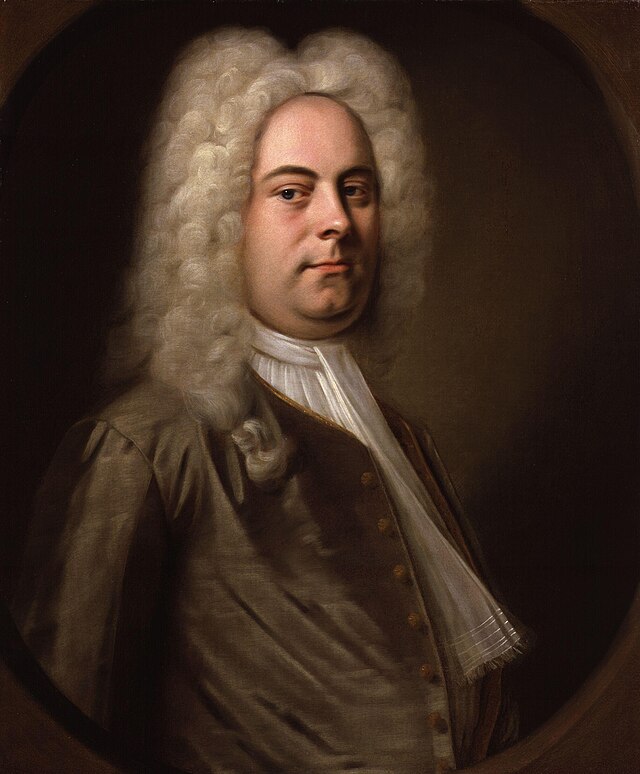
George Frideric Handel (1685–1759) — compositore german-british, periodo Baroque. Prima rappresentazione di Alcina nel 1735.
Trama di Alcina
The background of the opera comes from the poem Orlando Furioso. The heroic knight Ruggiero is destined to a short but glorious life, and a benevolent magician is always whisking him away from the arms of his fiancée, Bradamante. Bradamante is not the type to put up with the constant disappearance of her lover, and she spends vast portions of the poem in full armor chasing after him. Just before the opera begins she has rescued him from an enchanted castle, only to have her hippogriff (a flying horse-eagle) take a fancy to Ruggiero and fly off with him. Ruggiero and the hippogriff land on an island in the middle of the ocean. As the hippogriff begins to eat the leaves of a myrtle bush, Ruggiero is startled to hear the bush begin to speak. The bush reveals that it was once a living soul named Sir Astolfo, and the island belongs to the sister sorceresses Alcina and Morgana. The beautiful Alcina seduces every knight that lands on her isle, but soon tires of her lovers and changes them into stones, animals, plants, or anything that strikes her fancy. Despite Astolfo's warning, Ruggiero strides off to meet this sorceress – and falls under her spell. Bradamante, again searching for her lover, arrives on Alcina's island with Ruggiero's former tutor, Melisso. Dressed in armor, Bradamante looks like a young man and goes by the name of her own brother, Ricciardo. She and Melisso possess a magic ring which enables the wearer to see through illusion, which they plan to use to break Alcin…
Estratto dalla sezione Synopsis dell’articolo Wikipedia — testo rilasciato con licenza CC BY-SA 4.0. Leggi la trama completa →
Cast e personaggi di Alcina
7 personaggi documentati da Wikidata con indicazione del registro vocale:
- personMelisso (bass)
- personOronte (tenor)
- personAlcina (soprano)
- personMorgana (soprano)
- personBradamante (contralto)
- personOberto (boy soprano)
- personRuggiero (mezzo-soprano)
Genere musicale
Alcina è classificata da Wikidata nel genere opera seria.
Da Orlando Furioso all’opera
Alcina è un adattamento di Orlando Furioso — soggetto letterario di partenza per il libretto.
L’archivio documenta 2 altre opere derivate dallo stesso soggetto:
Arie principali di Alcina
in Italian · 1735
Altre opere di George Frideric Handel
- Aci, Galatea e Polifemo
- Acis and Galatea
- Admeto
- Alessandro
- Alessandro Severo
- Almira
- Amadigi di Gaula
- Arbace
- Arianna in Creta
- Arminio
Dati sull’opera provenienti da Wikidata (CC0, pubblico dominio).