Die Walküre
Die Walküre è un’opera in german di Richard Wagner.
Die Walküre, WWV 86B, is the second of the four epic music dramas that constitute Richard Wagner's cycle Der Ring des Nibelungen. It was performed, as a single opera, at the National Theatre Munich on 26 June 1870, and received its first performance as part of the Ring cycle at the Bayreuth Festspielhaus on 14 August 1876.
Musikdrama
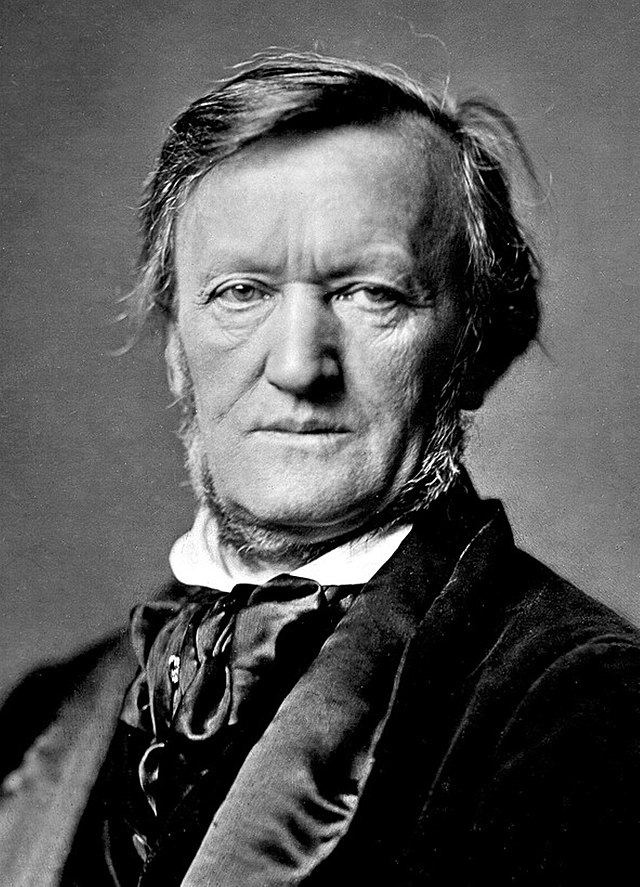
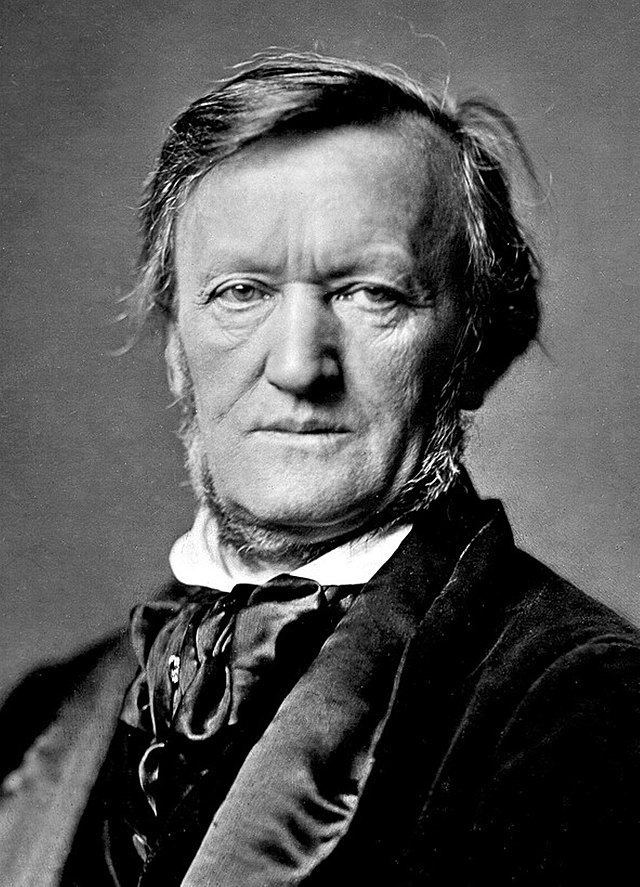
Richard Wagner (1813–1883) — compositore german, periodo Romantic.
Trama di Die Walküre
During the lengthy time that has passed since the gods entered Valhalla at the end of Das Rheingold, Fafner has used the Tarnhelm to assume the form of a dragon, and guards the gold and the ring in the depths of the forest. Wotan has visited Erda seeking wisdom, and by her has fathered a daughter, Brünnhilde; he has fathered eight other daughters, possibly also by Erda. These, with Brünnhilde, are the Valkyries, whose task is to recover heroes fallen in battle and bring them to Valhalla, where they will protect the fortress from Alberich's assault should the dwarf recover the ring. Wotan has also wandered the earth, and with a woman of the Völsung race has fathered the twins Siegmund and Sieglinde, who have grown up separately and unaware of each other. From the Völsungs Wotan hopes for a hero who, unencumbered by the gods' treaties, will obtain the ring from Fafner. Prelude to Act I Scene 1 As a large storm rages, Siegmund finds shelter from his enemies in a large dwelling built around a massive ash tree. Unarmed and wounded, he collapses with exhaustion. Sieglinde enters; she gives Siegmund some water and some honeyed mead, and tells him that she is the wife of Hunding, and that he may rest there until Hunding's return. As they talk, they look at each other with growing interest and emotion. Siegmund gets ready to leave, telling Sieglinde that misfortune follows him, and he does not want to bring it on her; she replies that misfortune dwells with her already. Orchestral Int…
Estratto dalla sezione Synopsis dell’articolo Wikipedia — testo rilasciato con licenza CC BY-SA 4.0. Leggi la trama completa →
Cast e personaggi di Die Walküre
14 personaggi documentati da Wikidata con indicazione del registro vocale:
- personHunding (bass)
- personHelmwige (soprano)
- personGerhilde (soprano)
- personOrtlinde (soprano)
- personSiegmund (tenor)
- personSiegrune (mezzo-soprano)
- personRoßweiße (mezzo-soprano)
- personGrimgerde (contralto)
- personSchwertleite (contralto)
- personWaltraute (mezzo-soprano)
- personSieglinde (soprano)
- personBrünnhilde (soprano)
- personWotan (bass-baritone)
- personFricka (mezzo-soprano)
Libretto di Die Walküre
Il libretto è scritto da Richard Wagner. L’opera è classificata nel genere opera, Musikdrama.
Da Norse mythology all’opera
Die Walküre è un adattamento di Norse mythology — soggetto letterario di partenza per il libretto.
L’archivio documenta 3 altre opere derivate dallo stesso soggetto:
- Siegfried — Richard Wagner
- Das Rheingold — Richard Wagner (1852)
- Götterdämmerung — Richard Wagner (1874)
Altre opere di Richard Wagner
- Das Liebesverbot
- Die Laune des Verliebten
- Männerlist grösser als Frauenlist
- Siegfried
- Siegfrieds Tod
- Tannhäuser
- The Flying Dutchman
- Die Hochzeit (1832)
- Die Feen (1833)
- Rienzi (1837)
Dati sull’opera provenienti da Wikidata (CC0, pubblico dominio).