Die Hochzeit
Die Hochzeit è un’opera in german di Richard Wagner, rappresentata per la prima volta nel 1832.
Die Hochzeit is an unfinished opera by Richard Wagner which predates his completed works in the genre. Wagner completed the libretto, then started composing the music in the second half of 1832 when he was just nineteen. He abandoned the project and destroyed the libretto after his sister Rosalie, who was the main supporter and the spokesman of the family, expressed her disgust at the story. Today, only three pieces survive from the opera.
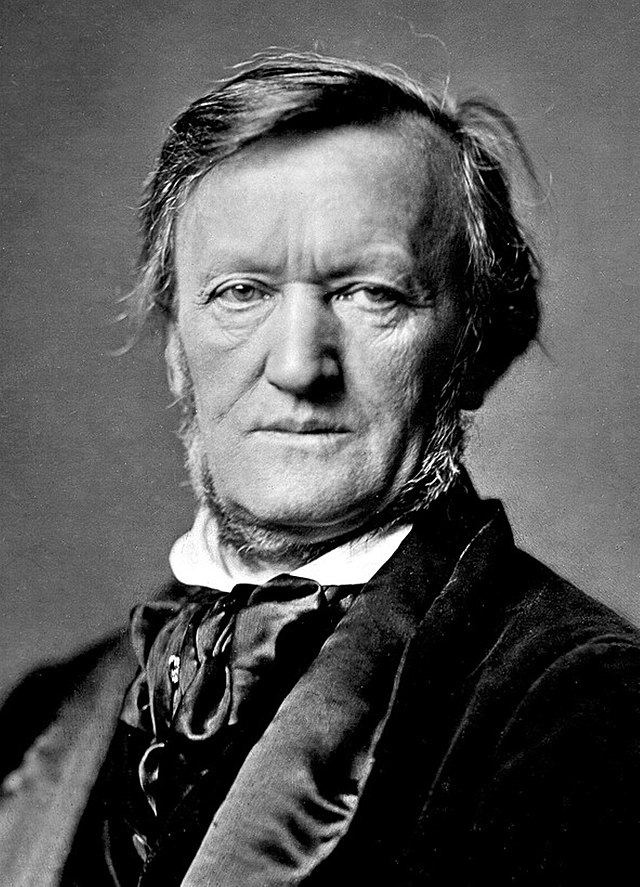
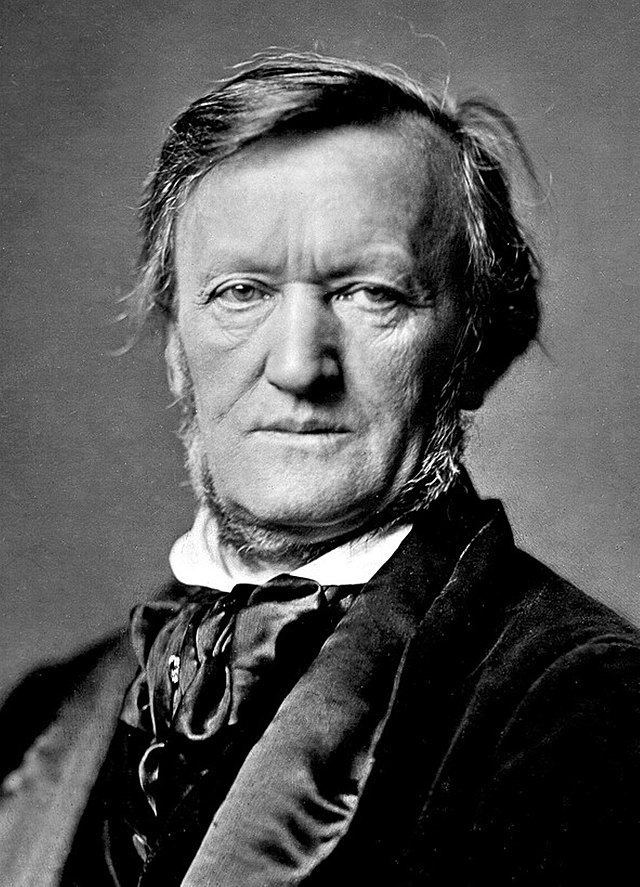
Richard Wagner (1813–1883) — compositore german, periodo Romantic. Prima rappresentazione di Die Hochzeit nel 1832.
Trama di Die Hochzeit
What is still known of the story is that it concerns the events surrounding the intended marriage of a young woman, Ada, to Arindal. This is a political marriage, not one of love. On the eve of the wedding, Ada's lover, Cadolt, comes to see her. She rejects his advances, preferring to defend her honour but, in the process, pushes him over the balcony to his death. Ada still loves Cadolt and collapses and dies at the funeral next to his body.
Estratto dalla sezione Synopsis dell’articolo Wikipedia — testo rilasciato con licenza CC BY-SA 4.0. Leggi la trama completa →
Libretto di Die Hochzeit
Il libretto è scritto da Richard Wagner.
Opere contemporanee
Rappresentate nel decennio a cavallo del 1832, altre 5 opere del repertorio archiviato di compositori diversi:
- Anna Bolena — Gaetano Donizetti (1830)
- I Capuleti e i Montecchi — Vincenzo Bellini (1830)
- Gianni di Parigi — Gaetano Donizetti (1831)
- La romanziera e l'uomo nero — Gaetano Donizetti (1831)
- Norma — Vincenzo Bellini (1831)
Altre opere di Richard Wagner
- Das Liebesverbot
- Die Laune des Verliebten
- Die Walküre
- Männerlist grösser als Frauenlist
- Siegfried
- Siegfrieds Tod
- Tannhäuser
- The Flying Dutchman
- Die Feen (1833)
- Rienzi (1837)
Dati sull’opera provenienti da Wikidata (CC0, pubblico dominio).