Die Feen
Die Feen è un’opera in german di Richard Wagner, rappresentata per la prima volta nel 1833.
Die Feen is an opera in three acts by Richard Wagner. The German libretto was written by the composer after Carlo Gozzi's La donna serpente. Die Feen was Wagner's first completed opera, but remained unperformed in his lifetime. It has never established itself firmly in the operatic repertory although it receives occasional performances, on stage or in concert, most often in Germany. The opera is available on CD and in a heavily cut, adapted-for-children version, DVD.
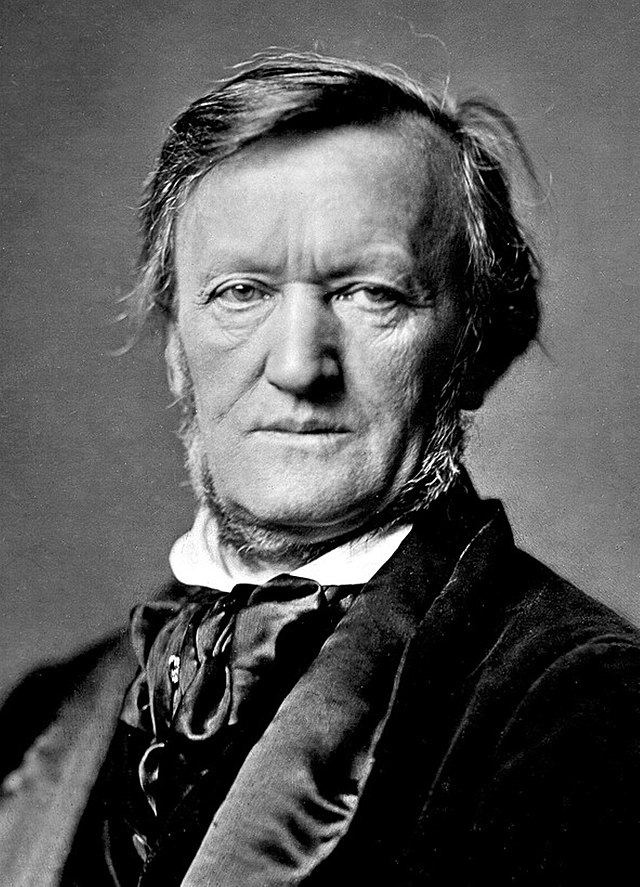
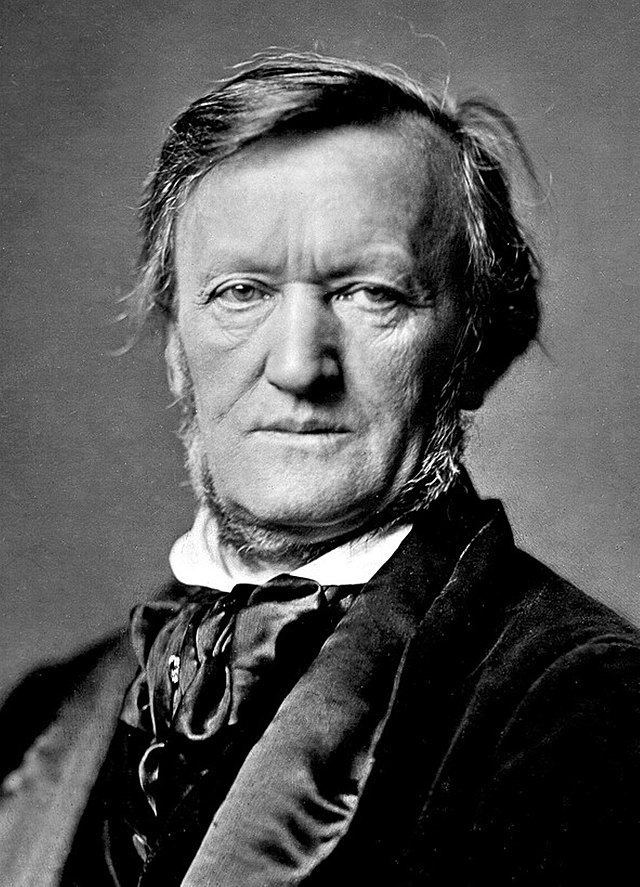
Richard Wagner (1813–1883) — compositore german, periodo Romantic. Prima rappresentazione di Die Feen nel 1833.
Trama di Die Feen
While other fairies amuse themselves in a fairy garden, Zemina and Farzana discuss how their mistress Ada, a half-fairy, has renounced her immortality to spend her life with Arindal, the mortal whom she loves. The fairy-king has set a condition which Farzana believes that Arindal will not fulfil even with the help of the magician Groma. Nevertheless, they get the other fairies and spirits to pledge their help in separating Ada from the mortal. In a rocky wilderness Morald and Gunther meet Gernot. The former pair have been sent to find out what has happened to Arindal, who disappeared eight years ago. In the meantime his father, the king, has died from grief and the kingdom is being attacked by their enemy Murold who demands they surrender Arindal's sister Lora as his wife. Gernot relates how he and Arindal had hunted a beautiful doe to a river where it vanished. They heard a voice and jumped into the river where they found a beautiful woman in luxurious surroundings. She declared her love for Arindal and said they could stay together provided Arindal could go eight years without asking who she is. But the day before he did ask her, and Arindal and Gernot found themselves in the wilderness. Morald and Gunther depart before Arindal can know of their presence. Arindal appears and sings of his grief at the loss of Ada (Wo find ich dich, wo wird mir Trost?). Gernot tries to argue him round to believing that Ada is a sorceress who has abandoned him and that he should return to his …
Estratto dalla sezione Synopsis dell’articolo Wikipedia — testo rilasciato con licenza CC BY-SA 4.0. Leggi la trama completa →
Cast e personaggi di Die Feen
13 personaggi documentati da Wikidata con indicazione del registro vocale:
- personGernot (buffo bass)
- personHarald (bass)
- personVoice of Groma the Magician (bass)
- personThe Fairy King (bass)
- personAda (soprano)
- personFarzana (soprano)
- personZemina (soprano)
- personLora (soprano)
- personArindal (tenor)
- personGunther (tenor)
- personA messenger (tenor)
- personDrolla (soprano)
- personMorald (baritone)
Libretto di Die Feen
Il libretto è scritto da Richard Wagner.
Da La donna serpente all’opera
Die Feen è un adattamento di La donna serpente — soggetto letterario di partenza per il libretto.
Opere contemporanee
Rappresentate nel decennio a cavallo del 1833, altre 5 opere del repertorio archiviato di compositori diversi:
- Anna Bolena — Gaetano Donizetti (1830)
- I Capuleti e i Montecchi — Vincenzo Bellini (1830)
- Gianni di Parigi — Gaetano Donizetti (1831)
- La romanziera e l'uomo nero — Gaetano Donizetti (1831)
- Norma — Vincenzo Bellini (1831)
Altre opere di Richard Wagner
- Das Liebesverbot
- Die Laune des Verliebten
- Die Walküre
- Männerlist grösser als Frauenlist
- Siegfried
- Siegfrieds Tod
- Tannhäuser
- The Flying Dutchman
- Die Hochzeit (1832)
- Rienzi (1837)
Dati sull’opera provenienti da Wikidata (CC0, pubblico dominio).