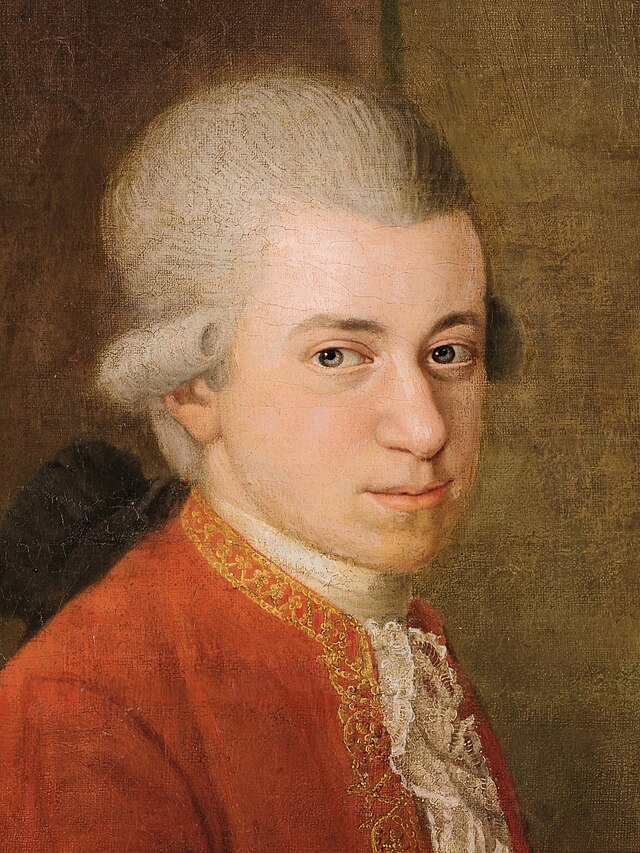
The Marriage of Figaro
The Marriage of Figaro è un’opera in italian di Wolfgang Amadeus Mozart, rappresentata per la prima volta nel 1785, con 4 arie archiviate in Wikidata.
1785 1785-01-01
Classical
4
The Marriage of Figaro, K. 492, is a commedia per musica in four acts composed in 1786 by Wolfgang Amadeus Mozart, with an Italian libretto written by Lorenzo Da Ponte. It premiered at the Burgtheater in Vienna on 1 May 1786. The opera's libretto is based on the 1784 stage comedy by Beaumarchais, La folle journée, ou le Mariage de Figaro. It tells how the servants Figaro and Susanna succeed in getting married, foiling the efforts of their philandering employer Count Almaviva to seduce Susanna and teaching him a lesson in fidelity.
opera buffa
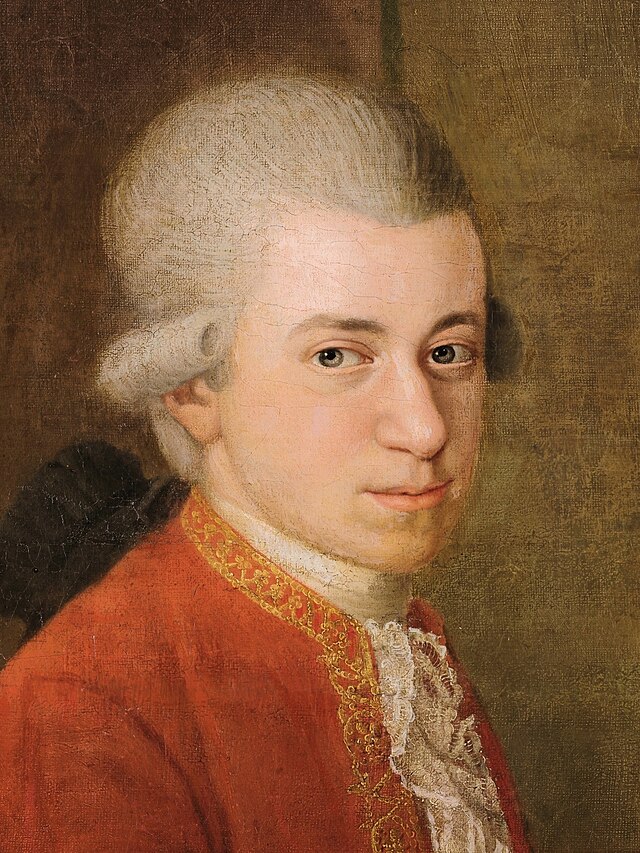
Wolfgang Amadeus Mozart (1756–1791) — compositore austrian, periodo Classical. Prima rappresentazione di The Marriage of Figaro nel 1785.
Trama di The Marriage of Figaro
The Marriage of Figaro continues the plot of The Barber of Seville several years later, and recounts a single "day of madness" (la folle journée) in the palace of Count Almaviva near Seville, Spain. Rosina is now the countess. Dr. Bartolo is seeking revenge against Figaro for thwarting his plans to marry Rosina himself, and Count Almaviva has degenerated from the romantic youth of Barber, (a tenor in Paisiello's 1782 opera), into a scheming, bullying, skirt-chasing baritone. Having gratefully given Figaro a job as head of his servant-staff, he is now persistently trying to exercise his droit du seigneur – his right to bed a servant girl on her wedding night – with Figaro's bride-to-be, Susanna, who is the countess's maid. He keeps finding excuses to delay the civil part of the wedding of his two servants, which is arranged for this very day. Figaro, Susanna, and the countess conspire to embarrass the count and expose his scheming. He retaliates by trying to compel Figaro legally to marry a woman old enough to be his mother, but it turns out at the last minute that she really is his mother. Through the clever manipulations of Susanna and the countess, Figaro and Susanna are finally able to marry. The overture is in the key of D major; the tempo marking is presto; i.e. quick. The work is well known and often played independently as a concert piece. A partly furnished room, with a chair in the centre. Figaro happily measures the space where the bridal bed will fit while Susanna …
Estratto dalla sezione Synopsis dell’articolo Wikipedia — testo rilasciato con licenza CC BY-SA 4.0. Leggi la trama completa →
Cast e personaggi di The Marriage of Figaro
11 personaggi documentati da Wikidata con indicazione del registro vocale:
- personFigaro (bass)
- personBartolo (mezzo-soprano)
- personAntonio (bass)
- personSusanna (soprano)
- personBasilio (tenor)
- personDon Curzio (tenor)
- personMarcellina (soprano)
- personCountess Rosina Almaviva (lyric soprano)
- personCherubino (mezzo-soprano)
- personBarbarina (soprano)
- personCount Almaviva (baritone)
Libretto di The Marriage of Figaro
Il libretto è scritto da Lorenzo Da Ponte. L’opera è classificata nel genere opera, opera buffa.
Da The Marriage of Figaro all’opera
The Marriage of Figaro è un adattamento di The Marriage of Figaro — soggetto letterario di partenza per il libretto.
Arie principali di The Marriage of Figaro
in Italian · 1785
in Italian · 1785
Personaggio Figaro · in Italian · 1785
Voi che sapete
micsoprano
in Italian · 1785
Altre opere di Wolfgang Amadeus Mozart
- Alexandre et Roxane
- Apollo et Hyacinthus
- Ascanio in Alba
- Covid fan tutte
- Der Schauspieldirektor
- Der Stein der Weisen
- Il pesceballo
- Il re pastore
- Il sogno di Scipione
- L'ape musicale
Dati sull’opera provenienti da Wikidata (CC0, pubblico dominio).