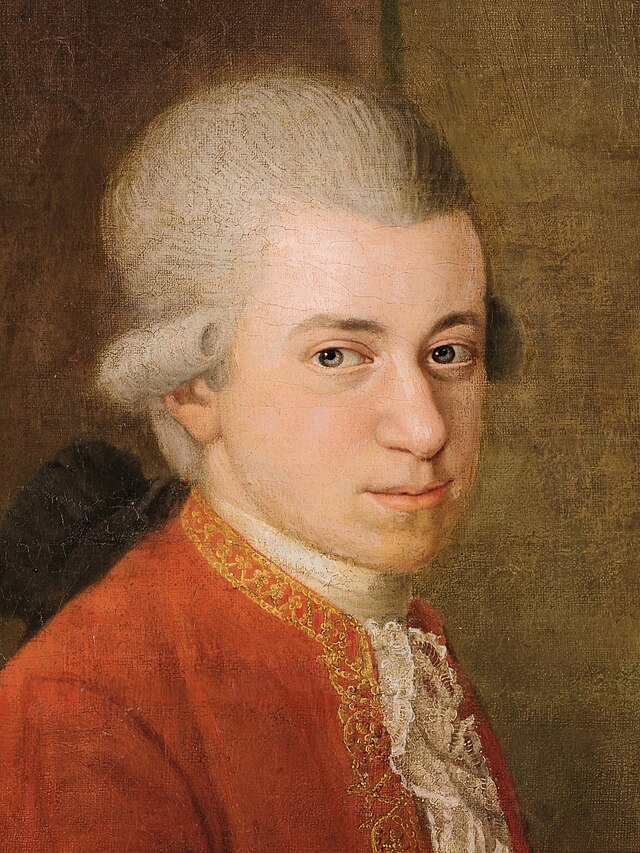
Il sogno di Scipione
Il sogno di Scipione è un’opera in italian di Wolfgang Amadeus Mozart.
Il sogno di Scipione, K. 126, is a dramatic serenade in one act composed by Wolfgang Amadeus Mozart to a libretto by Pietro Metastasio, which is based on the book Somnium Scipionis by Cicero; Metastasio's libretto has been set to music several times. Mozart had originally composed the work at the age of 15 for his patron, Prince-Archbishop Sigismund von Schrattenbach. After the bishop's death before it could be performed, Mozart dedicated it to Schrattenbach's successor, Count Colloredo. It was given a private performance in the Archbishop's Palace in Salzburg on 1 May 1772, although not in its entirety. Only one aria, the final chorus and the recitative dedicating it to the new Prince-Archbishop were performed. It is highly unlikely that it was ever performed in its entirety in Mozart's lifetime.
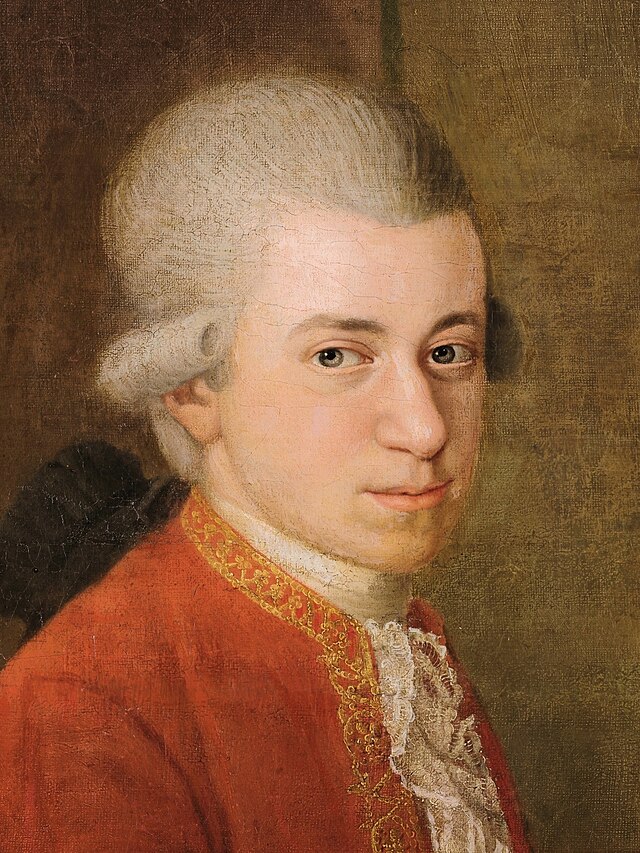
Wolfgang Amadeus Mozart (1756–1791) — compositore austrian, periodo Classical.
Trama di Il sogno di Scipione
Fortuna and Constanza approach the sleeping Scipio and offer to accompany him through life. However, first he has to choose between Fortuna, the provider of the world’s good things, and the reliable, trustworthy Constanza. Scipio asks for time to think. Neither in his heart nor mind can he take in what has happened, nor can he choose. Fortuna and Constanza permit him to ask questions: he wants to know where he is. He fell asleep in the kingdom of Massinissa, but now has no idea of where he is. Fortuna tells him that he is in the Temple of Heaven. The magnificent lights are the stars against the blue background of the universe. He can hear the music of the harmony of the spheres. Scipio asks who creates this harmony. Constanza replies that the power behind it moves the spheres like strings on a zither, finely tuned by hand and ear. Scipio responds by asking why this sound is inaudible to mortals on earth. Constanza explains that this is due to the inadequacy of their senses; looking at the sun, they see only the glare, whilst hearing a waterfall, they know nothing of its destructive power. Scipio then asks who dwells in this eternal world. Fortuna indicates an approaching cortege – heroes, his forefathers, Rome's greatest sons. Scipio sees the dead Publius and asks if dead heroes live here. Publius assures him that the light of immortality resurrects the body, freeing it from the burden of mortality. He who has thought of, felt for and devoted himself to others will live forev…
Estratto dalla sezione Synopsis dell’articolo Wikipedia — testo rilasciato con licenza CC BY-SA 4.0. Leggi la trama completa →
Cast e personaggi di Il sogno di Scipione
6 personaggi documentati da Wikidata con indicazione del registro vocale:
- personScipione (tenor)
- personPublio (baritone)
- personEmilio (Aemilius) (tenor)
- personFortuna (Fortune) (soprano)
- personCostanza (Constancy) (soprano)
- personLa Licenza (soprano)
Libretto di Il sogno di Scipione
Il libretto è scritto da Pietro Metastasio.
Da Somnium Scipionis all’opera
Il sogno di Scipione è un adattamento di Somnium Scipionis — soggetto letterario di partenza per il libretto.
Altre opere di Wolfgang Amadeus Mozart
- Alexandre et Roxane
- Apollo et Hyacinthus
- Ascanio in Alba
- Covid fan tutte
- Der Schauspieldirektor
- Der Stein der Weisen
- Il pesceballo
- Il re pastore
- L'ape musicale
- L'oca del Cairo
Dati sull’opera provenienti da Wikidata (CC0, pubblico dominio).