Muzio Scevola
Muzio Scevola è un’opera in italian di George Frideric Handel.
Muzio Scevola is an opera seria in three acts about Gaius Mucius Scaevola. The Italian-language libretto was by Paolo Antonio Rolli, adapted from a text by Silvio Stampiglia. The music for the first act was composed by Filippo Amadei, the second act by Giovanni Bononcini, and the third by George Frideric Handel. Collaborations of groups of composers were common in the 18th century, though this is the only one done in London. Bononcini had written the music for two earlier treatments of this story on his own, works dating from 1695 and 1710.
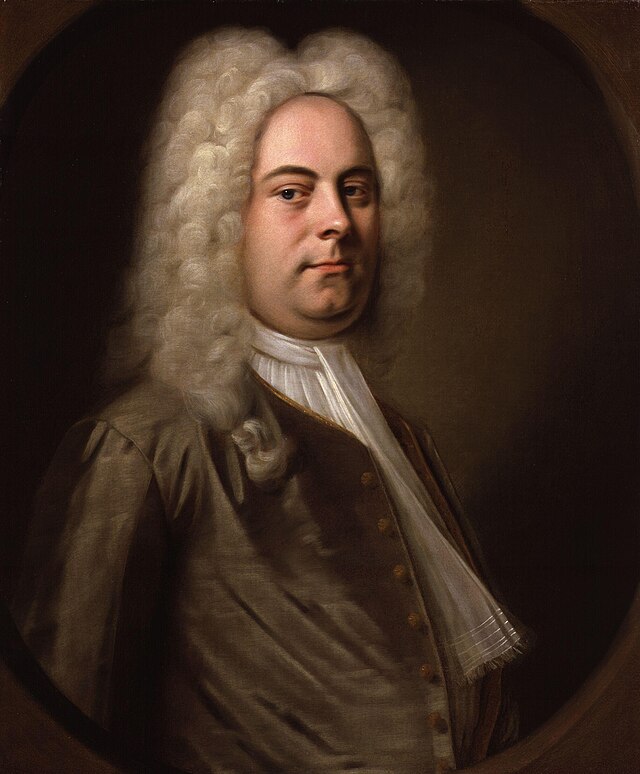
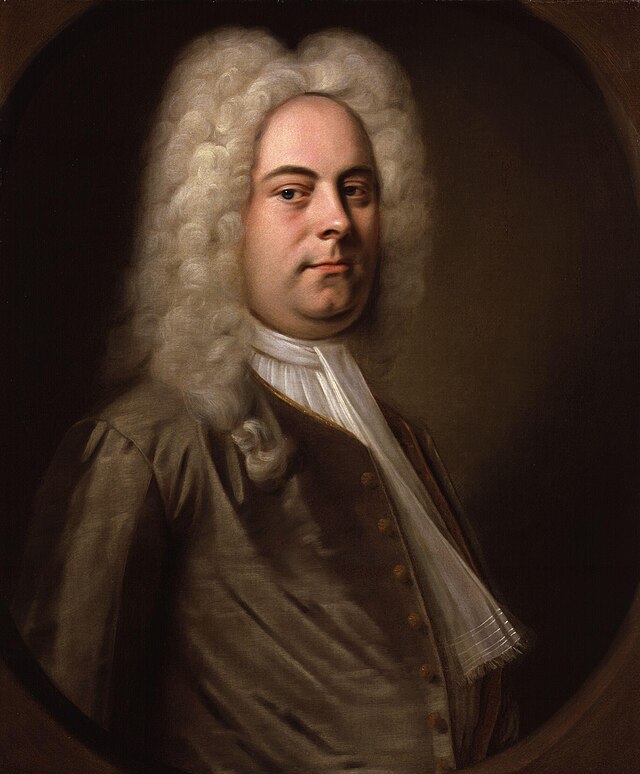
George Frideric Handel (1685–1759) — compositore german-british, periodo Baroque.
Trama di Muzio Scevola
The tyrant Tarquinio has recently been deposed from the throne of Rome for his many abuses of power and has allied with King Porsena of the neighbouring kingdom of Etruria. Together they have marched on Rome with their armies and are attacking the city to restore Tarquinio as King of Rome. The good natured and trusting King Porsena has been duped by Tarquinio and does not see with what a scoundrel he has allied himself- indeed, Porsena has even promised his daughter, Princess Irene, in marriage to Tarquinio. Irene has no interest in marrying Tarquino however as she is secretly in love with young Roman army officer Oratio, and he with her, and Irene advises Oratio to fight against her father and Tarquinio and try to stop the despot being restored to the throne. At the Sublican Bridge in Rome, Oratio single-handedly fights off far higher numbers of invading Etruscans and then, wounded, and seeing his efforts failing, sets fire to the bridge, leaps into the Tiber and swims ashore, saving Rome and earning acclaim as a hero. The young Roman soldier Muzio is anxious to prove that he too is brave enough to risk his safety for his country. His sweetheart is Clelia, beautiful and equally valorous in the service of her country. Muzio disguises himself as an Etruscan and steals into the enemy camp, determined to assassinate King Porsena. When the King appears on a platform with other dignitaries to make a speech to his troops, Muzio does not recognise the King and kills the wrong person…
Estratto dalla sezione Synopsis dell’articolo Wikipedia — testo rilasciato con licenza CC BY-SA 4.0. Leggi la trama completa →
Libretto di Muzio Scevola
Il libretto è scritto da Paolo Antonio Rolli.
Altre opere di George Frideric Handel
- Aci, Galatea e Polifemo
- Acis and Galatea
- Admeto
- Alessandro
- Alessandro Severo
- Almira
- Amadigi di Gaula
- Arbace
- Arianna in Creta
- Arminio
Dati sull’opera provenienti da Wikidata (CC0, pubblico dominio).