Ezio
Ezio è un’opera in italian di George Frideric Handel.
Ezio is an opera seria by George Frideric Handel to a libretto by Metastasio. Metastasio's libretto was partly inspired by Jean Racine's play Britannicus. The same libretto had already been set by many other composers, first of all Nicola Porpora who managed to preempt the official Rome premiere of Pietro Auletta's setting for 26 December 1728 with his own version for Venice on 20 November, a month earlier. The libretto continued to be set and reset for another 50 years, including two versions of Ezio by Gluck. Handel's Ezio is considered one of the purest examples of opera seria with its absence of vocal ensembles.
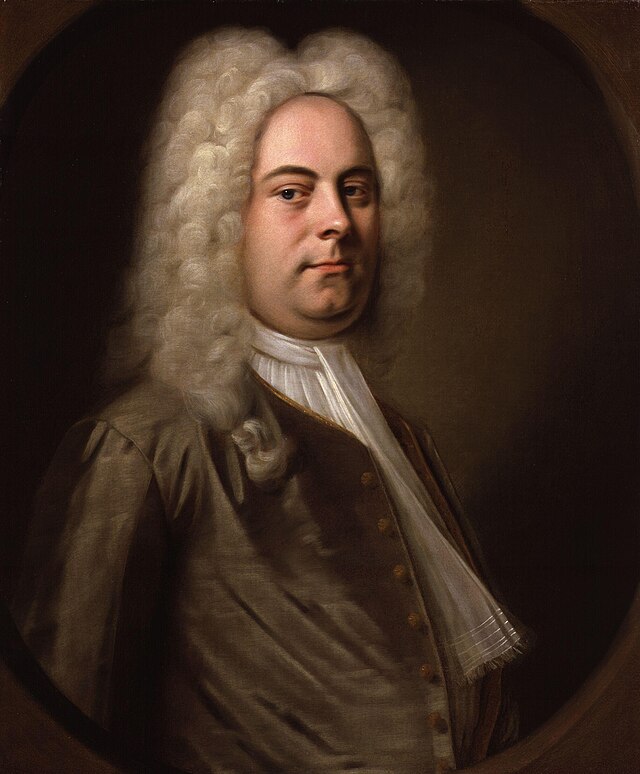
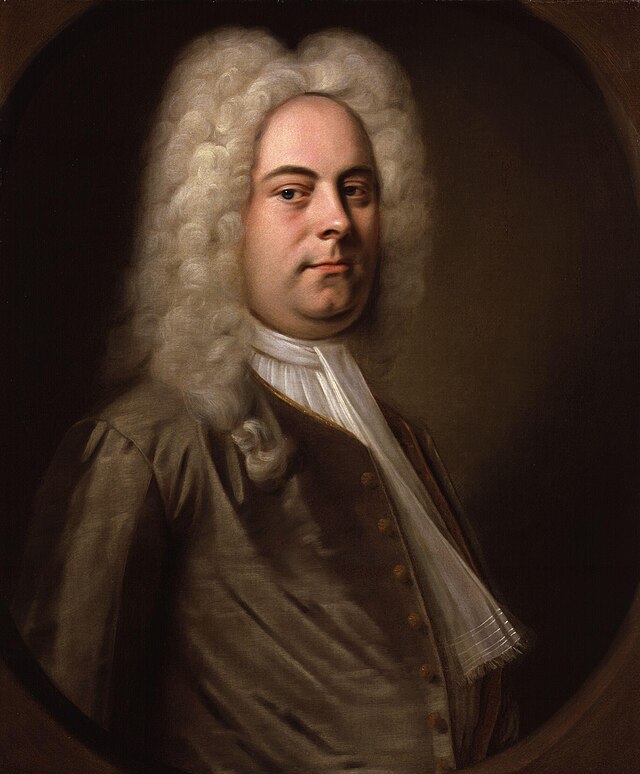
George Frideric Handel (1685–1759) — compositore german-british, periodo Baroque.
Trama di Ezio
In the Roman forum, the emperor Valentiniano (Valentinian III) and the people welcome Ezio, who is returning in triumph, having defeated Attila and saved the empire. Ezio greets his sweetheart Fulvia, daughter of Massimo, who although close to the Emperor has never forgiven him for trying to seduce his wife and thirsts for vengeance. Massimo tells Ezio that in the latter's absence the Emperor has fallen in love with Fulvia and now insists on marrying her himself. The only way to prevent this, according to Massimo, is to assassinate the Emperor, but Ezio refuses to have anything to do with such a plot. Alone with his daughter, Massimo tells her that if Ezio will not kill the Emperor, she must first marry and then kill him. Fulvia rejects this idea with horror. Massimo decides that since neither Ezio nor Fulvia will kill Valentiniano, he will send one of his henchmen to do it. In the palace, Valentiniano's sister Onoria interrogates Varo, captain of the Guards, about Ezio. It becomes clear that she also is in love with the victorious hero. Valentiniano is growing somewhat jealous of Ezio's fame and glory, but offers Ezio the honour of his sister's hand in marriage. Ezio replies that he cannot marry Onoria as he is in love with Fulvia. Valentiniano announces that he is in love with Fulvia himself, but Ezio doesn't care. The Emperor says he will marry Fulvia the next day, to Ezio's fury. Outside the palace that night, Massimo waits to hear whether his henchman Emilio has succeede…
Estratto dalla sezione Synopsis dell’articolo Wikipedia — testo rilasciato con licenza CC BY-SA 4.0. Leggi la trama completa →
Libretto di Ezio
Il libretto è scritto da Pietro Metastasio.
Da Ezio all’opera
Ezio è un adattamento di Ezio, Britannicus — soggetto letterario di partenza per il libretto.
Altre opere di George Frideric Handel
- Aci, Galatea e Polifemo
- Acis and Galatea
- Admeto
- Alessandro
- Alessandro Severo
- Almira
- Amadigi di Gaula
- Arbace
- Arianna in Creta
- Arminio
Dati sull’opera provenienti da Wikidata (CC0, pubblico dominio).