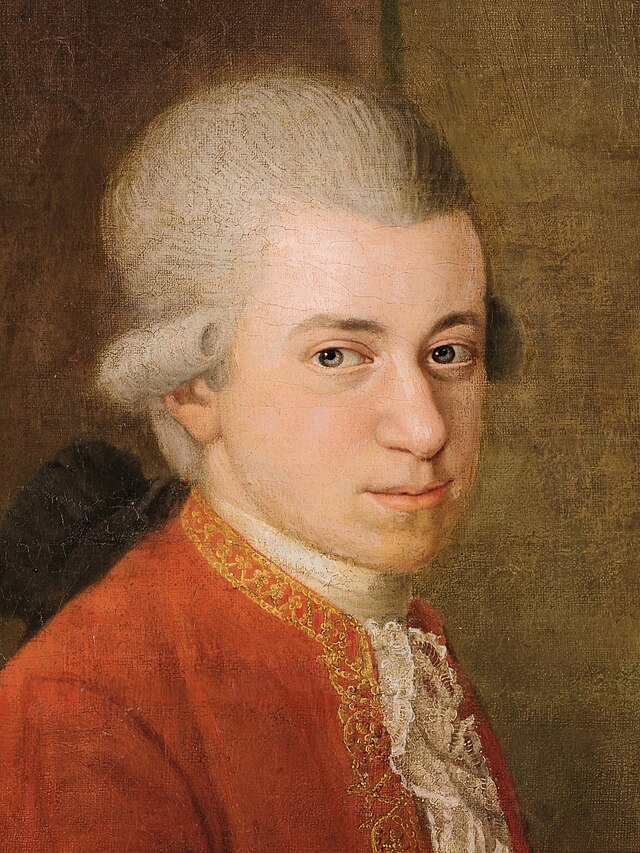
Don Giovanni
Don Giovanni è un’opera in italian di Wolfgang Amadeus Mozart, rappresentata per la prima volta nel 1787, con 6 arie archiviate in Wikidata.
1787 1787-01-01
Classical
6
Don Giovanni is an opera in two acts with music by Wolfgang Amadeus Mozart to an Italian libretto by Lorenzo Da Ponte. Its subject is a centuries-old Spanish legend about a libertine, Don Juan, as told by playwright Tirso de Molina in his 1630 play El burlador de Sevilla y convidado de piedra. It is a dramma giocoso blending comedy, melodrama and supernatural elements. It was premiered by the Prague Italian opera at the National Theatre, now called the Estates Theatre, on 29 October 1787. Don Giovanni is regarded as one of the greatest operas of all time and has proved a fruitful subject for commentary in its own right; critic Fiona Maddocks has described it as one of Mozart's "trio of masterpieces with librettos by Da Ponte".
dramma giocoso
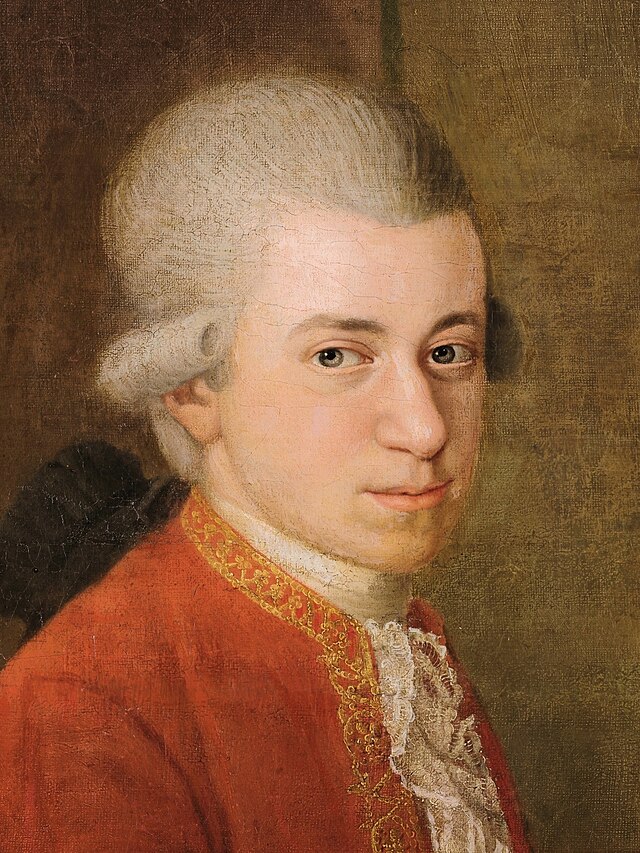
Wolfgang Amadeus Mozart (1756–1791) — compositore austrian, periodo Classical. Prima rappresentazione di Don Giovanni nel 1787.
Trama di Don Giovanni
Don Giovanni, a young, arrogant, and sexually promiscuous nobleman, abuses and outrages everyone else in the cast until he encounters something he cannot kill, beat up, dodge, or outwit. The overture begins with a thundering D minor cadence, followed by a short misterioso sequence which leads into a light-hearted D major allegro. Leporello, Don Giovanni's servant, grumbles about his demanding master and daydreams about being free of him ("Notte e giorno faticar" – "Night and day I slave away"). He is keeping watch while Don Giovanni is in the Commendatore's house attempting to seduce the Commendatore's daughter, Donna Anna. Don Giovanni enters the garden from inside the house, pursued by Donna Anna. Don Giovanni is masked and Donna Anna tries to hold him and to unmask him, shouting for help. (Trio: "Non sperar, se non m'uccidi, Ch'io ti lasci fuggir mai!" – "Do not hope, unless you kill me, that I shall ever let you run away!"). He breaks free and she runs off as the Commendatore enters the garden. The Commendatore blocks Don Giovanni's path and forces him to fight a duel. Don Giovanni kills the Commendatore with his sword and escapes with Leporello. Donna Anna, returning with her fiancé, Don Ottavio, is horrified to see her father lying dead in a pool of his own blood. She makes Don Ottavio swear vengeance against the unknown murderer. (Duet: "Ah, vendicar, se il puoi, giura quel sangue ognor!" – "Ah, swear to avenge that blood if you can!") Leporello tells Don Giovanni that…
Estratto dalla sezione Synopsis dell’articolo Wikipedia — testo rilasciato con licenza CC BY-SA 4.0. Leggi la trama completa →
Cast e personaggi di Don Giovanni
8 personaggi documentati da Wikidata con indicazione del registro vocale:
- personLeporello (bass)
- personIl Commendatore (Don Pedro) (bass)
- personMasetto (bass)
- personDonna Elvira (soprano)
- personZerlina (soprano)
- personDon Ottavio (tenor)
- personDonna Anna (soprano)
- personDon Giovanni (baritone)
Libretto di Don Giovanni
Il libretto è scritto da Lorenzo Da Ponte. L’opera è classificata nel genere opera, dramma giocoso.
Da The Trickster of Seville and the Stone Guest all’opera
Don Giovanni è un adattamento di The Trickster of Seville and the Stone Guest — soggetto letterario di partenza per il libretto.
Arie principali di Don Giovanni
in Italian · 1787
Deh! vieni alla finestra
micbaritone
in Italian · 1787
in Italian · 1787
in Italian · 1787
in Italian · 1787
in Italian · 1787
Altre opere di Wolfgang Amadeus Mozart
- Alexandre et Roxane
- Apollo et Hyacinthus
- Ascanio in Alba
- Covid fan tutte
- Der Schauspieldirektor
- Der Stein der Weisen
- Il pesceballo
- Il re pastore
- Il sogno di Scipione
- L'ape musicale
Dati sull’opera provenienti da Wikidata (CC0, pubblico dominio).