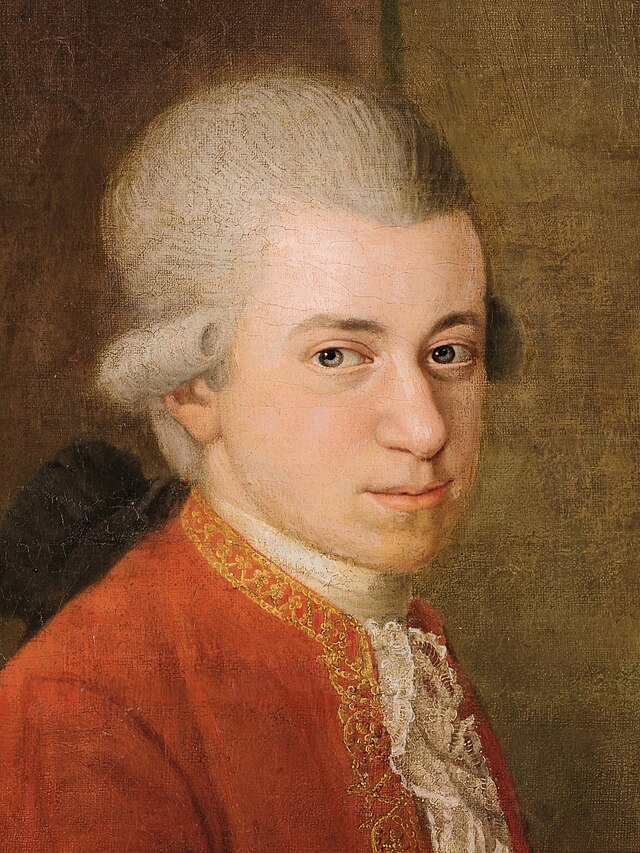
Bastien und Bastienne
Bastien und Bastienne è un’opera in german di Wolfgang Amadeus Mozart, rappresentata per la prima volta nel 1768.
1768 1768-01-01
Classical
Bastien und Bastienne, K. 50 is a one-act singspiel, a comic opera, by Wolfgang Amadeus Mozart.
Johann Heinrich Friedrich Müller
Friedrich Wilhelm Weiskern
singspiel
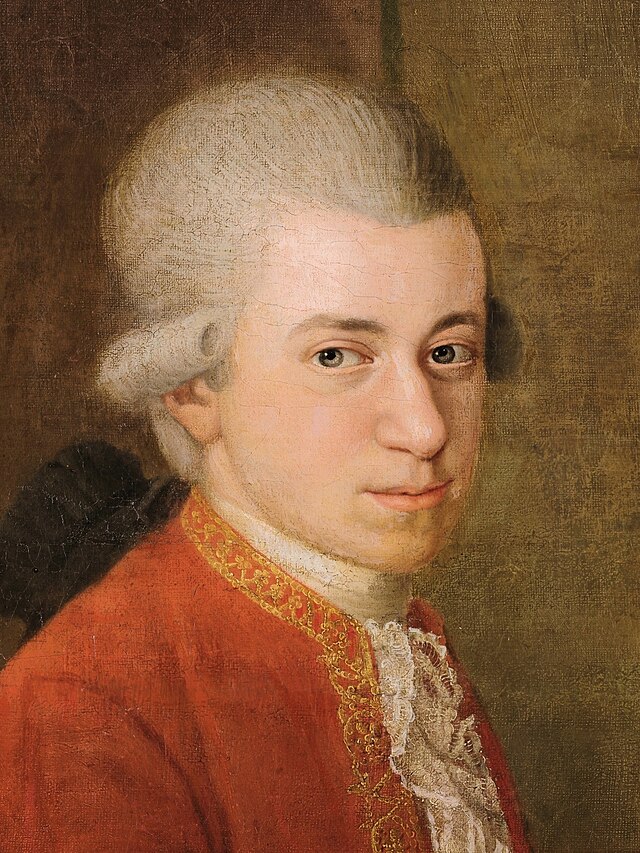
Wolfgang Amadeus Mozart (1756–1791) — compositore austrian, periodo Classical. Prima rappresentazione di Bastien und Bastienne nel 1768.
Trama di Bastien und Bastienne
Bastienne, a shepherdess, fears that her "dearest friend", Bastien, has forsaken her for another pretty face, and decides to go into the pasture to be comforted by her flock of lambs. Before she can leave, however, she runs into Colas, the village soothsayer. Bastienne requests the help of his magical powers to help win back her Bastien. Colas (being a soothsayer) knows all about the problem, and comforts her with the knowledge that Bastien has not abandoned her, rather, he's merely been distracted lately by 'the lady of the manor'. His advice is to act coldly towards Bastien, which will make him come running back. Bastien is heard approaching, so Bastienne hides herself. Bastien swaggers in, proclaiming how much he loves Bastienne. Colas informs him that Bastienne has a new lover. Bastien is shocked and asks the magician for help. Colas opens his book of spells and recites a nonsense aria filled with random syllables and Latin quotations. Colas declares the spell a success and that Bastienne is in love with Bastien once more. Bastienne, however, decides to keep up the game a bit longer and spurns Bastien with great vehemence. Bastien threatens suicide, which Bastienne merely shrugs off. Finally, the two decide that they have gone far enough and agree to reconcile. Colas joins them as they all sing a final trio in praise of the magician.
Estratto dalla sezione Synopsis dell’articolo Wikipedia — testo rilasciato con licenza CC BY-SA 4.0. Leggi la trama completa →
Libretto di Bastien und Bastienne
Il libretto è scritto da Johann H. F. Mueller, Johann Heinrich Friedrich Müller, Friedrich Wilhelm Weiskern — in totale 3 autori di libretto. L’opera è classificata nel genere opera, singspiel.
Opere contemporanee
Rappresentate nel decennio a cavallo del 1768, altre 4 opere del repertorio archiviato di compositori diversi:
- Telemaco — Christoph Willibald von Gluck (1765)
- Alceste — Christoph Willibald von Gluck (1767)
- Le feste d'Apollo — Christoph Willibald von Gluck (1769)
- Paride ed Elena — Christoph Willibald von Gluck (1770)
Altre opere di Wolfgang Amadeus Mozart
- Alexandre et Roxane
- Apollo et Hyacinthus
- Ascanio in Alba
- Covid fan tutte
- Der Schauspieldirektor
- Der Stein der Weisen
- Il pesceballo
- Il re pastore
- Il sogno di Scipione
- L'ape musicale
Dati sull’opera provenienti da Wikidata (CC0, pubblico dominio).