Agrippina
Agrippina è un’opera in italian di George Frideric Handel, rappresentata per la prima volta nel 1710.
1710 1710-01-01
Baroque
Agrippina is an opera seria in three acts by George Frideric Handel with a libretto by Cardinal Vincenzo Grimani. Composed for the 1709–10 Venice Carnevale season, the opera tells the story of Agrippina, the mother of Nero, as she plots the downfall of the Roman emperor Claudius and the installation of her son as emperor. Grimani's libretto, considered one of the best that Handel set, is an "anti-heroic satirical comedy", full of topical political allusions. Some analysts believe that it reflects Grimani's political and diplomatic rivalry with Pope Clement XI.
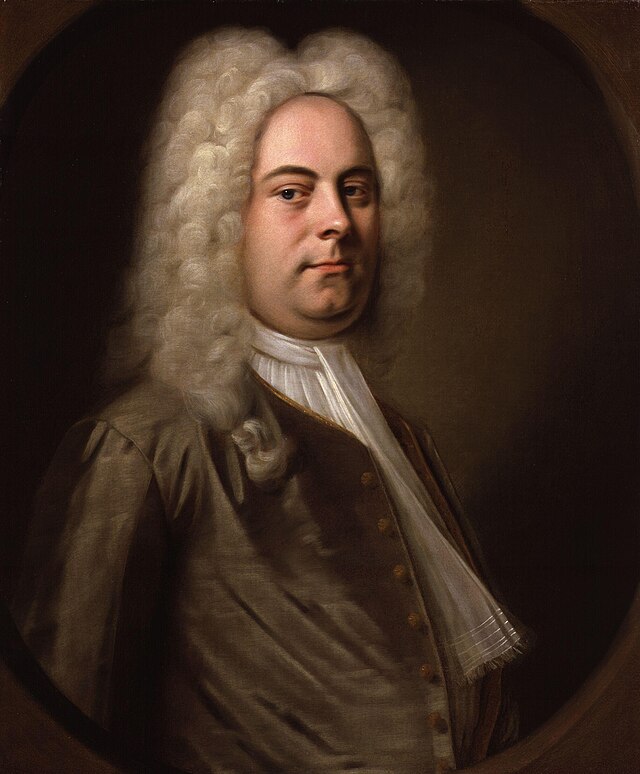
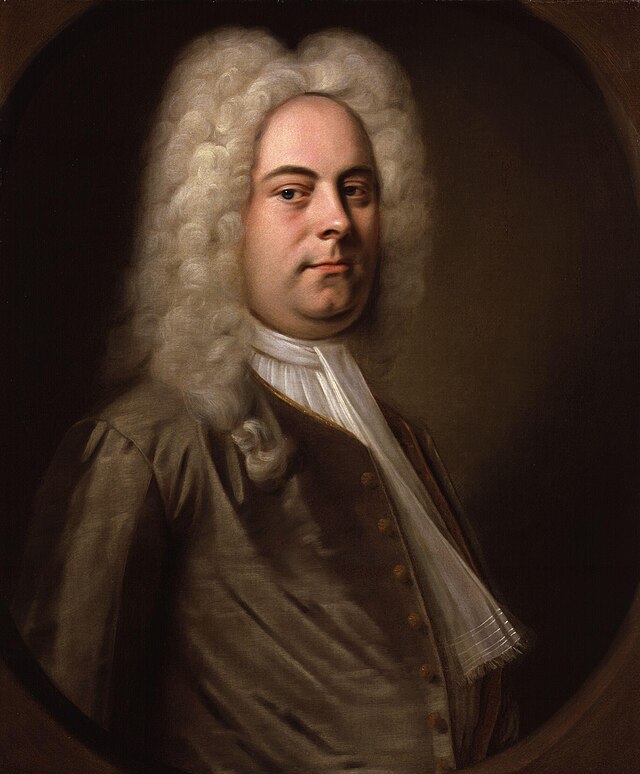
George Frideric Handel (1685–1759) — compositore german-british, periodo Baroque. Prima rappresentazione di Agrippina nel 1710.
Trama di Agrippina
On hearing that her husband, the Emperor Claudius, has died in a storm at sea, Agrippina plots to secure the throne for Nero, her son by a previous marriage. Nero is unenthusiastic about this project, but consents to his mother's wishes ("Con saggio tuo consiglio"). Agrippina obtains the support of her two freedmen, Pallas and Narcissus, who hail Nero as the new Emperor before the Senate. With the Senate's assent, Agrippina and Nero begin to ascend the throne, but the ceremony is interrupted by the entrance of Claudius's servant Lesbus. He announces that his master is alive ("Allegrezza! Claudio giunge!"), saved from death by Otho, the commander of the army. Otho himself confirms this and reveals that Claudius has promised him the throne as a mark of gratitude. Agrippina is frustrated, until Otho secretly confides to her that he loves the beautiful Poppaea more than he desires the throne. Agrippina, aware that Claudius also loves Poppaea, sees a new opportunity of furthering her ambitions for Nero. She goes to Poppaea and tells her, falsely, that Otho has struck a bargain with Claudius whereby he, Otho, gains the throne but gives Poppaea to Claudius. Agrippina advises Poppaea to turn the tables on Otho by telling the Emperor that Otho has ordered her to refuse Claudius's attentions. This, Agrippina believes, will make Claudius revoke his promise to Otho of the throne. Poppaea believes Agrippina. When Claudius arrives at Poppaea's house she denounces what she believes is Otho'…
Estratto dalla sezione Synopsis dell’articolo Wikipedia — testo rilasciato con licenza CC BY-SA 4.0. Leggi la trama completa →
Cast e personaggi di Agrippina
8 personaggi documentati da Wikidata con indicazione del registro vocale:
- personJuno
- personAgrippina the Younger
- personNarcissus
- personPoppaea Sabina
- personPallas
- personClaudius
- personNero
- personOtho
Libretto di Agrippina
Il libretto è scritto da Vincenzo Grimani. L’opera è classificata nel genere opera seria.
Altre opere di George Frideric Handel
- Aci, Galatea e Polifemo
- Acis and Galatea
- Admeto
- Alessandro
- Alessandro Severo
- Almira
- Amadigi di Gaula
- Arbace
- Arianna in Creta
- Arminio
Dati sull’opera provenienti da Wikidata (CC0, pubblico dominio).