Les vêpres siciliennes
Les vêpres siciliennes è un’opera in italian di Giuseppe Verdi.
Les vêpres siciliennes is a grand opera in five acts by the Italian romantic composer Giuseppe Verdi set to a French libretto by Eugène Scribe and Charles Duveyrier from their work Le duc d'Albe of 1838. Les vêpres followed immediately after Verdi's three great mid-career masterpieces, Rigoletto, Il trovatore and La traviata of 1850 to 1853 and was first performed at the Paris Opéra on 13 June 1855.
Charles Duveyrier
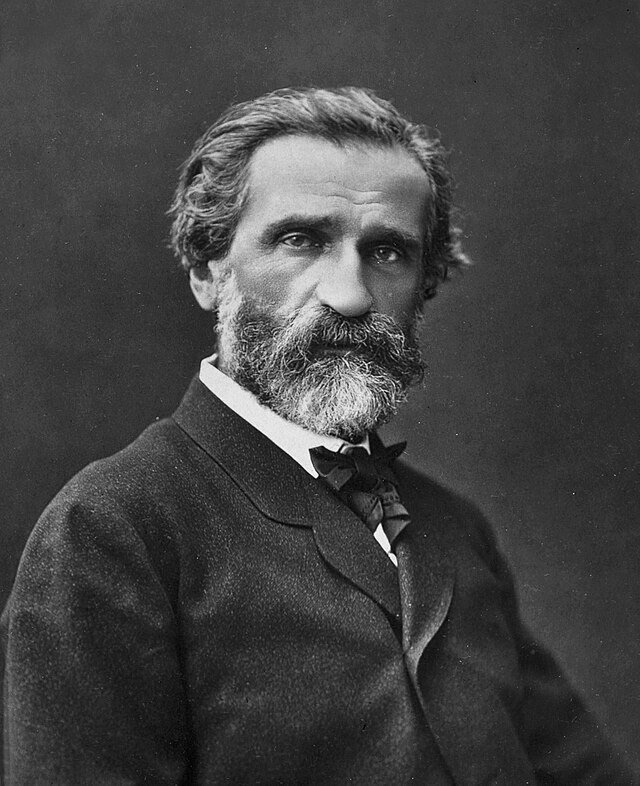
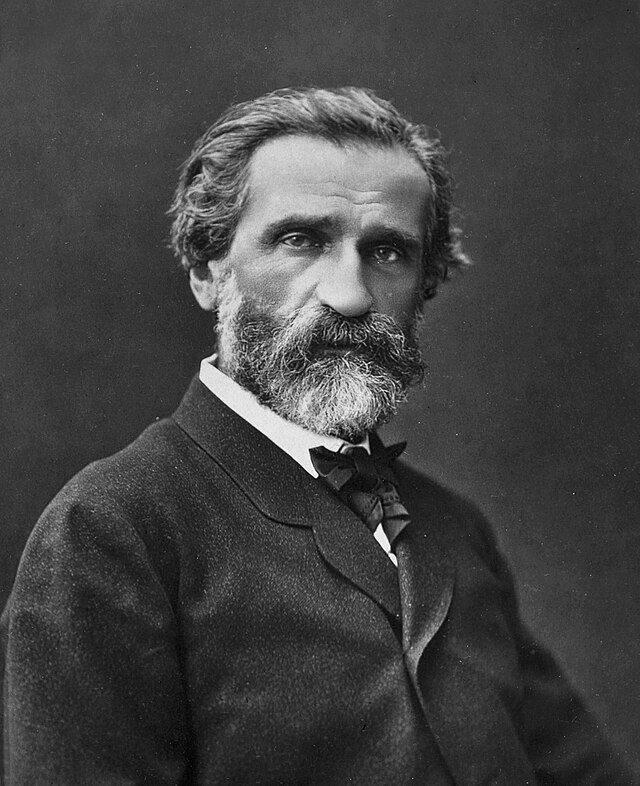
Giuseppe Verdi (1813–1901) — compositore italian, periodo Romantic.
Trama di Les vêpres siciliennes
Prior to the events of the opera, Procida, a leading Sicilian patriot, was wounded by French troops during their invasion of Sicily, and was forced into exile. Montfort, leader of the French troops, raped a Sicilian woman who later gave birth to a son, Henri. Montfort became governor of Sicily, while the Sicilian woman brought up her son to hate him, without revealing to Henri that Montfort was his father. Palermo's main square Thibault, Robert and other French soldiers have gathered in front of the Governor's palace. As they offer a toast to their homeland, they are observed by the local Sicilians, unhappy with the occupation. Hélène, who is being held hostage by the French governor, Montfort, enters dressed in mourning for her brother, Duke Frédéric of Austria, who had been executed by the French exactly a year before and whose death remains unavenged. Somewhat drunk, Robert, a French soldier of low rank, demands that she sing and she agrees. Her song about the prayers of seamen (Ô viens à nous, Dieu tutélaire! – "Pray, O mighty God, calm with thy smile both sky and sea") and God's reply of "let dangers be scorned" ends with a rallying-cry (Courage!… du courage!) to the Sicilians to rebel against the occupiers. When the governor enters, the crowd calms down. Henri, just released from prison, assures Hélène how deeply he despises the governor. Overhearing this, Montfort orders Hélène to leave and then, alone with Henri, offers him a powerful position with his men as long as …
Estratto dalla sezione Synopsis dell’articolo Wikipedia — testo rilasciato con licenza CC BY-SA 4.0. Leggi la trama completa →
Cast e personaggi di Les vêpres siciliennes
11 personaggi documentati da Wikidata con indicazione del registro vocale:
- personJean Procida (bass)
- personLe Sire de Béthune (bass)
- personLe Comte de Vaudemont (tenor)
- personRobert (baritone)
- personHenri (tenor)
- personDaniéli (tenor)
- personMainfroid (bass-baritone)
- personThibault (tenor)
- personLa Duchesse Hélène (soprano)
- personGuy de Montfort (contralto)
- personNinette (mezzo-soprano)
Libretto di Les vêpres siciliennes
Il libretto è scritto da Eugène Scribe, Charles Duveyrier — in totale 2 autori di libretto. L’opera è classificata nel genere grand opera.
Da Sicilian Vespers all’opera
Les vêpres siciliennes è un adattamento di Sicilian Vespers — soggetto letterario di partenza per il libretto.
Altre opere di Giuseppe Verdi
- Alzira
- Gustavo III
- I due Foscari
- I Lombardi alla prima crociata
- I masnadieri
- I vespri siciliani
- Il corsaro
- Jérusalem
- La battaglia di Legnano
- La forza del destino
Dati sull’opera provenienti da Wikidata (CC0, pubblico dominio).