La traviata
La traviata è un’opera in italian di Giuseppe Verdi, rappresentata per la prima volta nel 1852, con 1 arie archiviate in Wikidata.
1852 1852-01-01
Romantic
1
La traviata is an opera in three acts by Giuseppe Verdi set to an Italian libretto by Francesco Maria Piave. It is based on La Dame aux camélias (1852), a play by Alexandre Dumas fils, which he adapted from his own 1848 novel. The opera was originally titled Violetta, after the main character. It was first performed on 6 March 1853 at La Fenice opera house in Venice.
tragedy
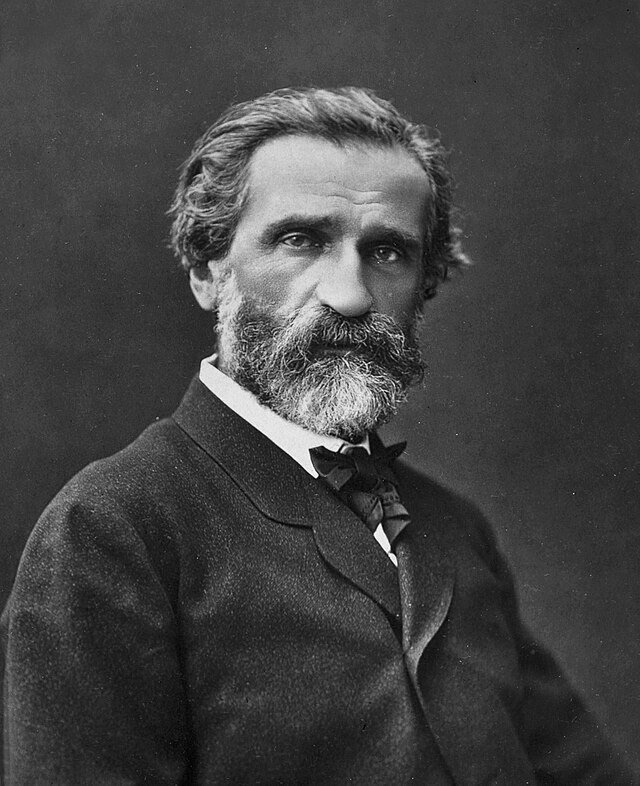
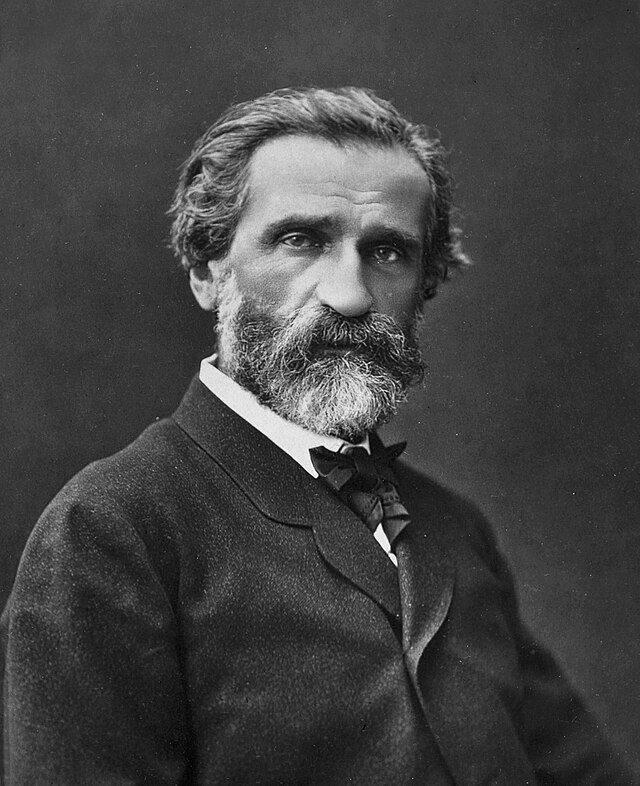
Giuseppe Verdi (1813–1901) — compositore italian, periodo Romantic. Prima rappresentazione di La traviata nel 1852.
Trama di La traviata
The salon in Violetta's house Baron Douphol, Violetta's current lover, waits nearby to escort her to the salon. Once there, the Baron is asked to give a toast, but refuses, and the crowd turns to Alfredo, who agrees to sing a brindisi – a drinking song (Alfredo, Violetta, chorus: Libiamo ne' lieti calici – "Let's drink from the joyful cups"). From the next room, the sound of the orchestra is heard and the guests move there to dance. After a series of severe coughs and almost fainting, Violetta begins to feel dizzy and asks her guests to go ahead and to leave her to rest until she recovers. While the guests dance in the next room, Violetta looks at her pale face in her mirror. Alfredo enters and expresses his concern for her fragile health, later declaring his love for her (Alfredo, Violetta: Un dì, felice, eterea – "One day, happy and ethereal"). At first, she rejects him because his love means nothing to her, but there is something about Alfredo that touches her heart. He is about to leave when she gives him a flower, telling him to return it when it has wilted, which will be the very next day. After the guests leave, Violetta wonders if Alfredo could actually be the one in her life (Violetta: È strano! … Ah, fors' è lui – "Ah, perhaps he is the one"). But she concludes that she needs freedom to live her life (Violetta, Alfredo: Sempre libera – "Always free"). From off stage, Alfredo's voice is heard singing about love as he walks down the street. Scene 1: Violetta's count…
Estratto dalla sezione Synopsis dell’articolo Wikipedia — testo rilasciato con licenza CC BY-SA 4.0. Leggi la trama completa →
Cast e personaggi di La traviata
12 personaggi documentati da Wikidata con indicazione del registro vocale:
- personMarchese d'Obigny (bass)
- personDottore Grenvil (bass)
- personFlora's servant (bass)
- personCommissioner (bass)
- personBarone Douphol (tenor)
- personAlfredo Germont (tenor)
- personGastone de Letorières (tenor)
- personGiuseppe (tenor)
- personVioletta Valéry (lyric soprano)
- personAnnina (soprano)
- personGiorgio Germont (baritone)
- personFlora Bervoix (mezzo-soprano)
Libretto di La traviata
Il libretto è scritto da Francesco Maria Piave. L’opera è classificata nel genere opera, tragedy.
Da The Lady of the Camellias all’opera
La traviata è un adattamento di The Lady of the Camellias — soggetto letterario di partenza per il libretto.
Arie principali di La traviata
Libiamo ne' lieti calici
micsoprano
in Italian · 1852
Altre opere di Giuseppe Verdi
- Alzira
- Gustavo III
- I due Foscari
- I Lombardi alla prima crociata
- I masnadieri
- I vespri siciliani
- Il corsaro
- Jérusalem
- La battaglia di Legnano
- La forza del destino
Dati sull’opera provenienti da Wikidata (CC0, pubblico dominio).