Don Carlos
Don Carlos è un’opera in italian di Giuseppe Verdi, rappresentata per la prima volta nel 1867.
Don Carlos is an 1867 five-act grand opera composed by Giuseppe Verdi to a French-language libretto by Joseph Méry and Camille du Locle, based on the 1787 play Don Karlos, Infant von Spanien by Friedrich Schiller and several incidents from Eugène Cormon's 1846 play Philippe II, Roi d'Espagne. The opera is most often performed in Italian translation, usually under the title Don Carlo.
Camille du Locle
grand opera
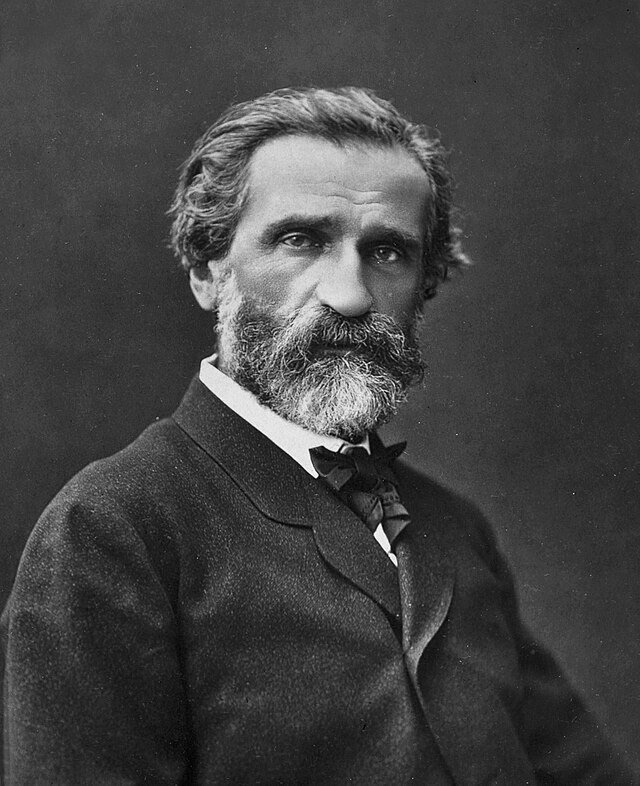
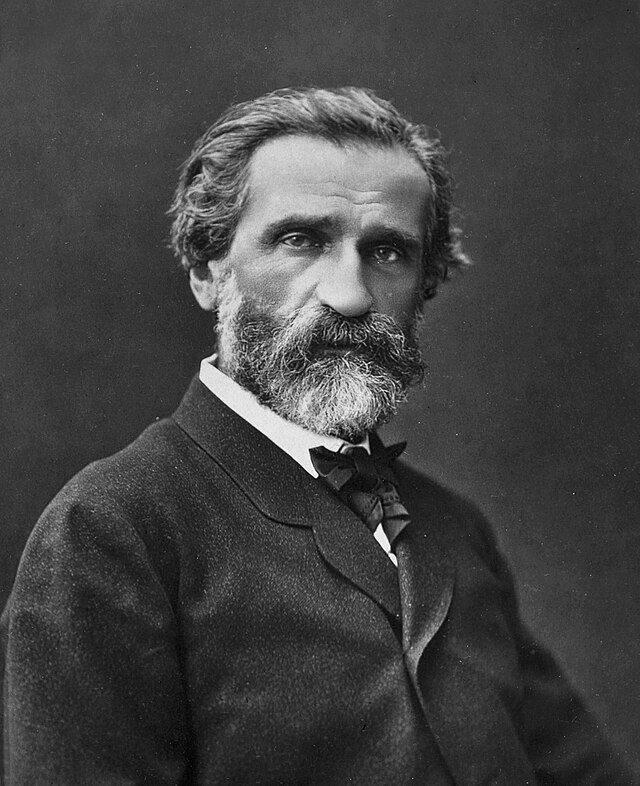
Giuseppe Verdi (1813–1901) — compositore italian, periodo Romantic. Prima rappresentazione di Don Carlos nel 1867.
Trama di Don Carlos
The Forest of Fontainebleau, France in winter A prelude and chorus of woodcutters and their wives is heard. They complain of their hard life, made worse by war with Spain. Elisabeth, daughter of the King of France, arrives with her attendants. She reassures the people that her impending marriage to Don Carlos, Infante and son of Philip II, King of Spain, will bring the war to an end, and departs. Carlos, coming out from hiding, has seen Elisabeth and fallen in love with her (Aria: "Je l'ai vue" / "Io la vidi"). When she reappears, he initially pretends to be a member of the Count of Lerma's delegation. She asks him about Don Carlos, whom she has not yet met. Before long, Carlos reveals his true identity and his feelings, which she reciprocates (Duet: "De quels transports poignants et doux" / "Di quale amor, di quanto ardor"). A cannon-shot signifies that peace has been declared between Spain and France. Thibault appears and gives Elisabeth the surprising news that her hand is to be claimed not by Carlos but by his father, Philip. When Lerma and his followers confirm this, Elisabeth is devastated but feels bound to accept, in order to consolidate the peace. She departs for Spain, leaving Carlos equally devastated. Scene 1: The monastery of Saint-Just (San Jerónimo de Yuste) in Spain The scene takes place soon after King Philip II and Elisabeth have married. Monks pray before the tomb of the former Emperor Charles V ("Carlo Quinto"). The monks' leader proclaims that the Emperor…
Estratto dalla sezione Synopsis dell’articolo Wikipedia — testo rilasciato con licenza CC BY-SA 4.0. Leggi la trama completa →
Cast e personaggi di Don Carlos
12 personaggi documentati da Wikidata con indicazione del registro vocale:
- personPhilippe II (Filippo II / Philip II) (bass)
- personLe Grand Inquisiteur (The Grand Inquisitor) (bass)
- personA monk (lyric tenor)
- personThe Count of Lerma (tenor)
- personRoyal Herald (tenor)
- personRodrigue (Rodrigo) (baritone)
- personÉlisabeth de Valois (Elisabeth of Valois) (soprano)
- personThibault (Tebaldo) (soprano)
- personA Voice from Heaven (soprano)
- personDon Carlos (baritone)
- personPrincess Eboli (mezzo-soprano)
- personCountess of Aremberg
Libretto di Don Carlos
Il libretto è scritto da Joseph Méry, Camille du Locle — in totale 2 autori di libretto. L’opera è classificata nel genere opera, grand opera.
Da Don Carlos all’opera
Don Carlos è un adattamento di Don Carlos — soggetto letterario di partenza per il libretto.
Opere contemporanee
Rappresentate nel decennio a cavallo del 1867, altre 6 opere del repertorio archiviato di compositori diversi:
- Mireille — Charles Gounod (1864)
- Mirella — Charles Gounod (1864)
- The Brandenburgers in Bohemia — Bedřich Smetana (1866)
- La grand'tante — Jules Massenet (1867)
- Roméo et Juliete — Charles Gounod (1867)
- Dalibor — Bedřich Smetana (1868)
Altre opere di Giuseppe Verdi
- Alzira
- Gustavo III
- I due Foscari
- I Lombardi alla prima crociata
- I masnadieri
- I vespri siciliani
- Il corsaro
- Jérusalem
- La battaglia di Legnano
- La forza del destino
Dati sull’opera provenienti da Wikidata (CC0, pubblico dominio).