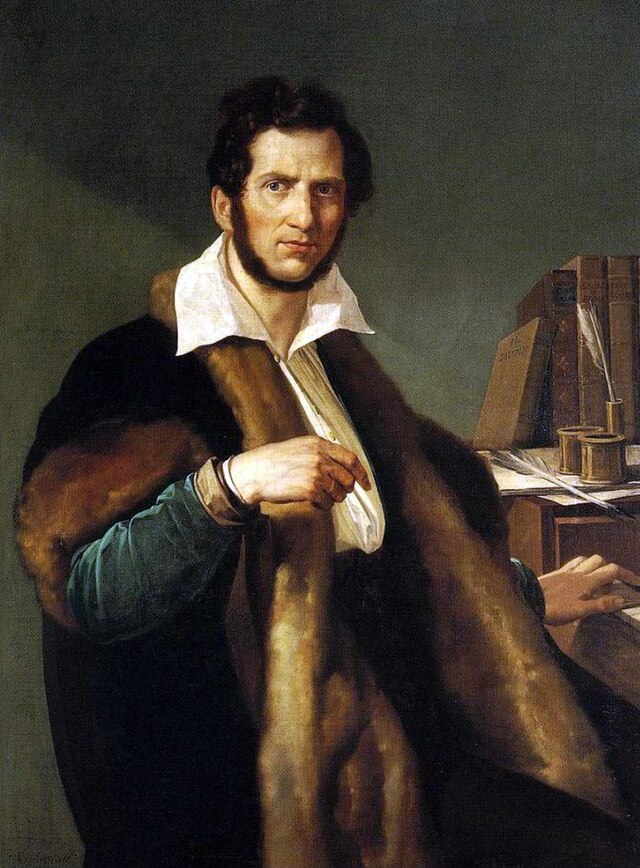
Parisina
Parisina è un’opera in italian di Gaetano Donizetti.
Parisina is an opera, in three acts by Gaetano Donizetti. Felice Romani wrote the Italian libretto after Byron's 1816 poem Parisina.
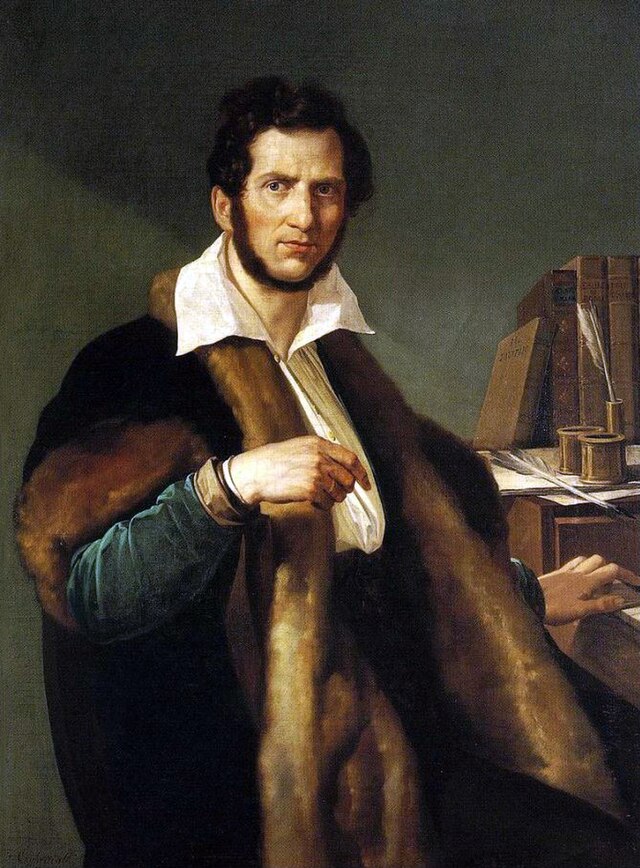
Gaetano Donizetti (1797–1848) — compositore italian, periodo Romantic.
Trama di Parisina
Place: Ferrara Time: the 15th century In Duke Azzo's palace, Ernesto and other nobles await his arrival (È desto il duca?). Azzo appears and tells Ernesto about his fear that his wife, Parisina, has betrayed him for another man, as had his first wife, Matilde. When Azzo leaves, Ugo arrives. Ugo, who was raised by Ernesto, was once a favourite of Azzo but was later exiled. Ernesto is overcome by fear when he sees his foster son, knowing that his exile had not ended and Azzo was still angry at him. His fear worsens when Ugo reveals his love for Parisina to him. Meanwhile, Parisina with her faithful Imelda and her other handmaids are resting in the garden. They hear knights arriving for the festivities, amongst whom is Ugo. When Parisina and Ugo are alone, she urges him to flee. They are interrupted by the arrival of the Duke. In a fury, he demands to know what Ugo is doing there. Parisina defends Ugo which only increases the Duke's anger (Il difende! E in sua difesa tanto adopra). By the shores of the River Po. Azzo tells Ugo he may remain for the festivities, just as Ugo and his men are about to get on their boat. Parisina follows her husband and courtiers to the palace for the banquet (Vieni, vieni, e in sereno sembiante). Ernesto, Ugo, and Parisina are consumed by fear, while Azzo is consumed by his anger (Ma divoro nel cor tremante un timor/furor che non posso frenar). In Parisina's room, Imelda and the other handmaids are talking about the banquet (Lieta era dessa). They e…
Estratto dalla sezione Synopsis dell’articolo Wikipedia — testo rilasciato con licenza CC BY-SA 4.0. Leggi la trama completa →
Libretto di Parisina
Il libretto è scritto da Felice Romani. L’opera è classificata nel genere opera.
Altre opere di Gaetano Donizetti
- Alahor in Granata
- Alfredo il Grande
- Alina, regina di Golconda
- Belisario
- Betly, o sia La capanna svizzera
- Buondelmonte
- Caterina Cornaro
- Chiara e Serafina
- Dalinda
- Dom Sébastien
Dati sull’opera provenienti da Wikidata (CC0, pubblico dominio).